
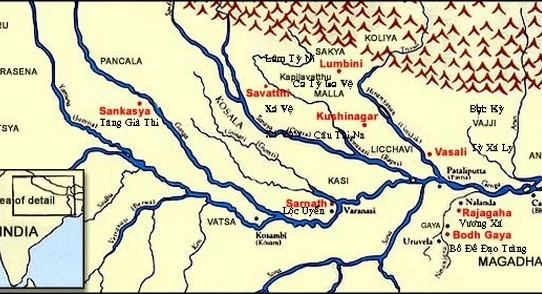
 Vương quốc Kosala
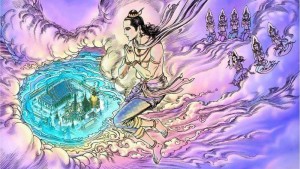 Mốc I : Hoàn cảnh trước khi Phật ra đời
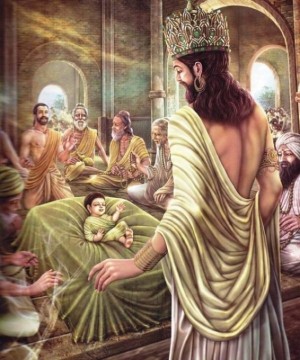 Mốc II : Sự kiện Phật đản sanh
 Mốc III: Giai đoạn tuổi thơ của Bồ tát Tất Đạt Đa
 Mốc IV : Giai đoạn trưởng thành - xuất gia
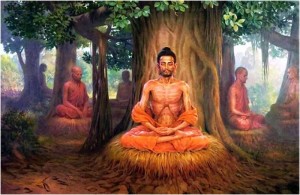 Mốc V : Tầm đạo
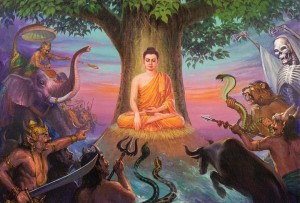 Mốc VI : Thành đạo
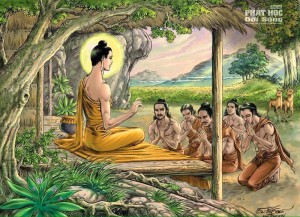 Mốc VII: Những vị đệ tử đầu tiên
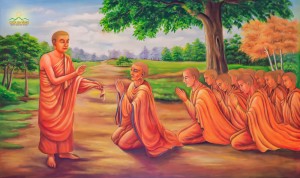 Mốc VIII : Tăng đoàn lớn mạnh
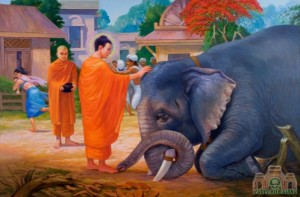 Mốc IX: Mười ba năm cuối cuộc đời Đức Phật
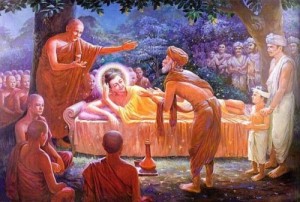 Mốc X : Đức Phật nhập niết bàn


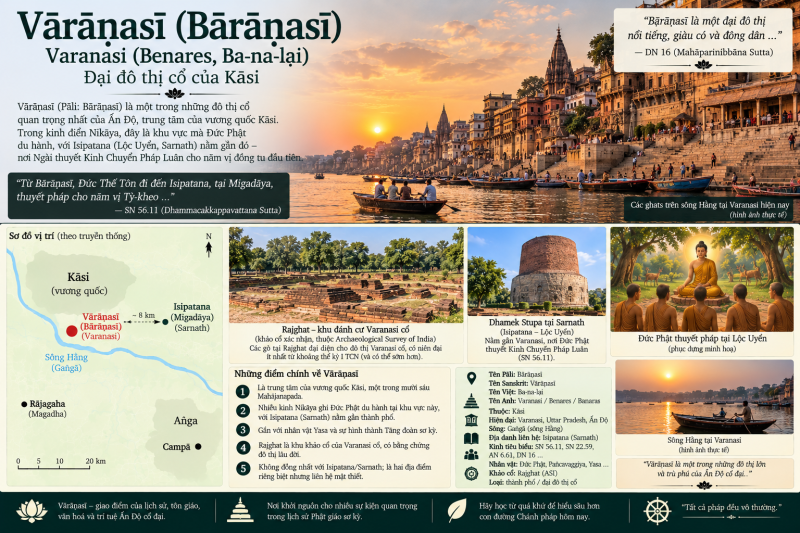
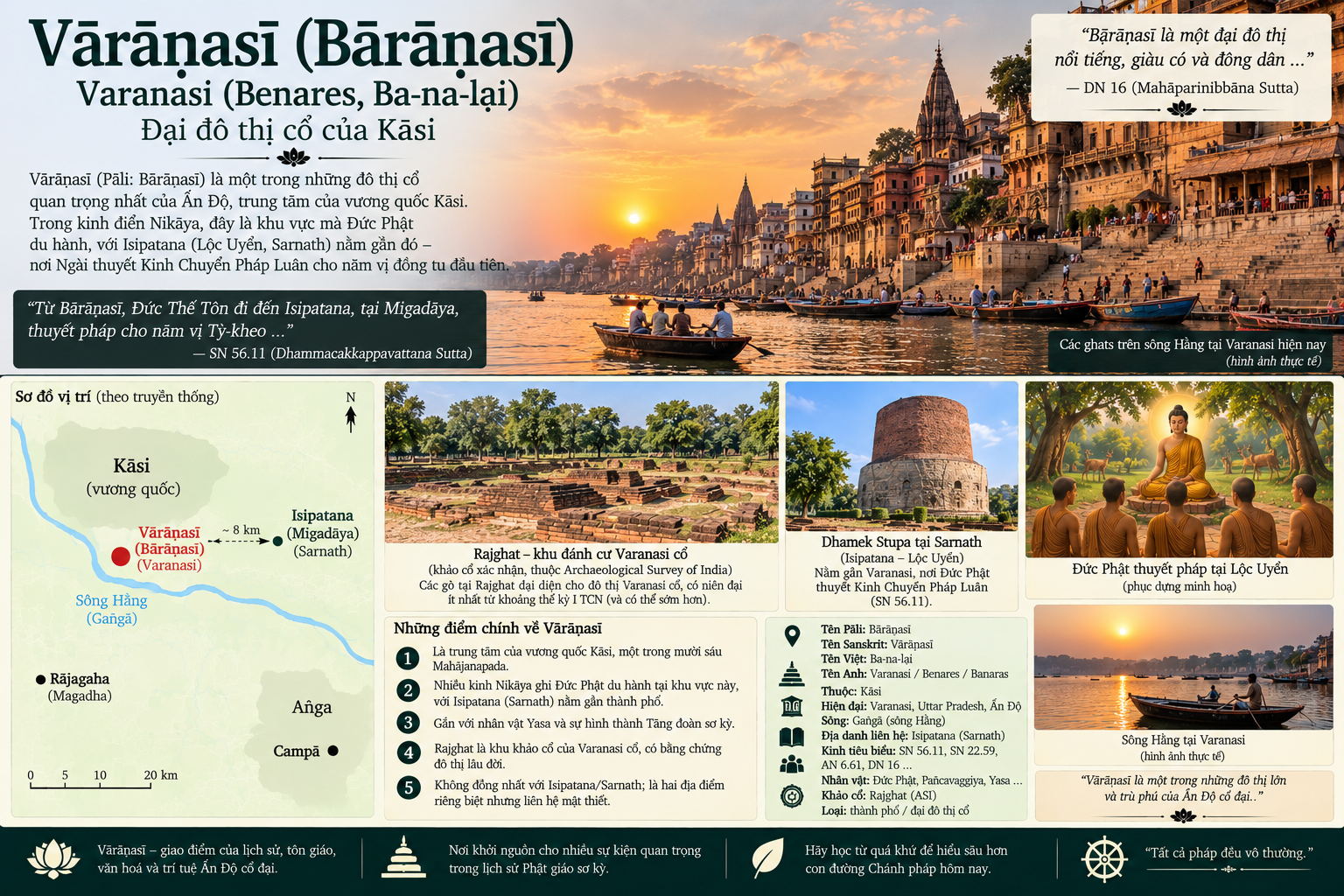
01
ĐỐI CHIẾU NỘI DUNG
Nội dung gốc & ChatGPT
Nội dung dưới đây là dữ liệu gốc của Nikaya Tâm Học và được giữ nguyên để đối chiếu.
-
Varanasi (Benares, Ba-na-lại) - Kinh đô của bộ tộc Kasi, thành phố lớn bên bờ sông Hằng.

Sarnath is a sacred and historical site located near the city of Varanasi (also known as Benares or Kashi) in the northern Indian state of Uttar Pradesh. It is an important pilgrimage destination for Buddhists and a significant historical and cultural site. Sarnath is situated approximately 13 kilometers (8 miles) from Varanasi and is often included in the itineraries of tourists and pilgrims visiting the region.
History of Sarnath
The history of Sarnath is deeply linked to the rise and spread of Buddhism. Sarnath, located near Varanasi in the Indian state of Uttar Pradesh, is considered one of the most important sites in Buddhist history. Here is a brief overview of the history of Sarnath:
Pre-Buddhist Era: Sarnath, located near the ancient city of Varanasi (Benares), has a history that predates Buddhism. It was a prominent center of trade and culture in ancient India during the time of the Mauryan Empire (3rd century BCE) and earlier. The city was known as “Isipatana” in Pali, meaning “the place where the holy men (sages) descended.”
Buddha’s First Sermon: The most significant event in Sarnath’s history occurred in the 6th century BCE when Siddhartha Gautama, who would later become known as Lord Buddha, gave his first sermon here. This event is referred to as the “Dharmachakra Pravartana” or the “Turning of the Wheel of Dharma.” In this sermon, he taught the Four Noble Truths and the Eightfold Path, laying the foundation for Buddhist philosophy and practice.
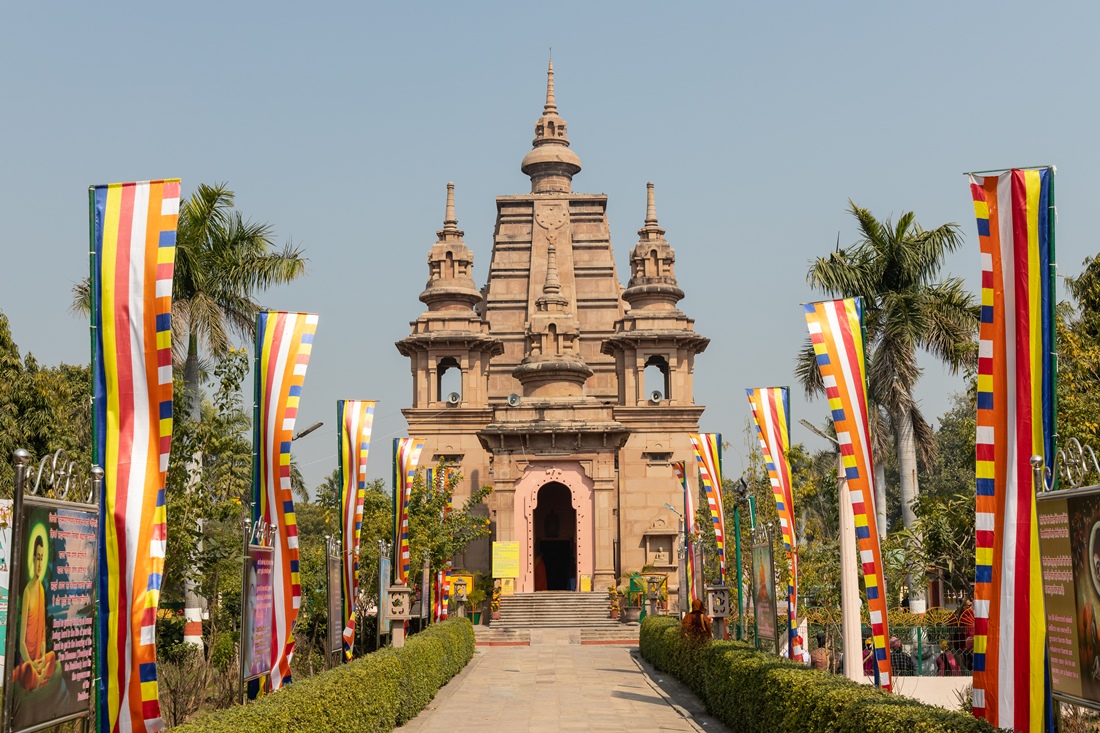
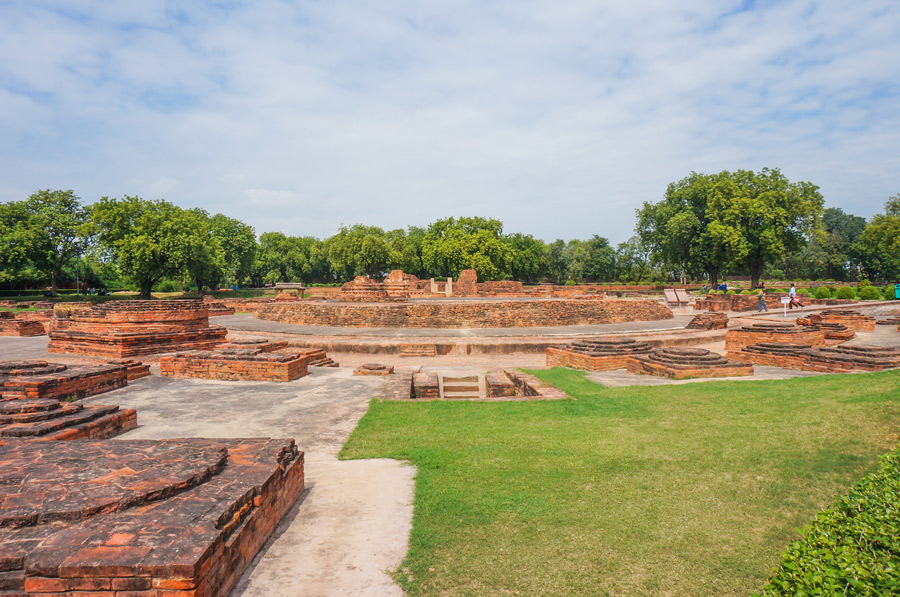
Mauryan Emperor Ashoka: The Mauryan Emperor Ashoka, a devout Buddhist, visited Sarnath around 250 BCE. He erected the famous Ashoka Pillar with inscriptions detailing his dedication to Buddhism and his efforts to spread the Buddha’s teachings. The lion capital of this pillar, featuring four lions facing different directions, is now the emblem of India. Sarnath is a place of profound spiritual and historical importance in Buddhism. It marks the beginning of Buddha’s teaching mission and remains a place of veneration and reflection for Buddhists worldwide. The ancient monuments, relics, and the spiritual atmosphere of Sarnath make it a sacred and revered destination for those seeking to connect with the teachings and legacy of Lord Buddha.
Rediscovery: Sarnath remained largely forgotten until the late 19th century when British archaeologists rediscovered and began to excavate the site. The excavations revealed the ancient Buddhist structures and artifacts, including the Dhamek Stupa and Ashoka Pillar. In the 20th century, the Indian government, along with various international organizations, undertook efforts to restore and preserve the monuments of Sarnath. The site was developed as a significant archaeological and pilgrimage destination.
Modern Sarnath: Today, Sarnath is a thriving pilgrimage destination and a center for the study of Buddhism. It attracts Buddhists and tourists from around the world who come to explore its historical and religious significance. Modern Buddhist temples and monasteries have been constructed in the area, creating a vibrant Buddhist community.
Buddhist Significance of Sarnath
Sarnath is a major pilgrimage destination for Buddhists from around the world. Buddhists visit Sarnath to pay their respects to the sacred sites associated with Lord Buddha’s life and teachings. Pilgrims often circumambulate the stupas and engage in meditation and prayer in the tranquil surroundings of Sarnath.
First Sermon (Dharmachakra Pravartana Sutra): Sarnath is renowned as the place where Lord Buddha delivered his first sermon after attaining enlightenment. This sermon is known as the “Dharmachakra Pravartana Sutra” or the “Turning of the Wheel of Dharma.” In this sermon, Buddha expounded the Four Noble Truths and the Eightfold Path, laying down the fundamental principles of Buddhism. Sarnath is often referred to as the “Cradle of Buddhism” because of this historic event.
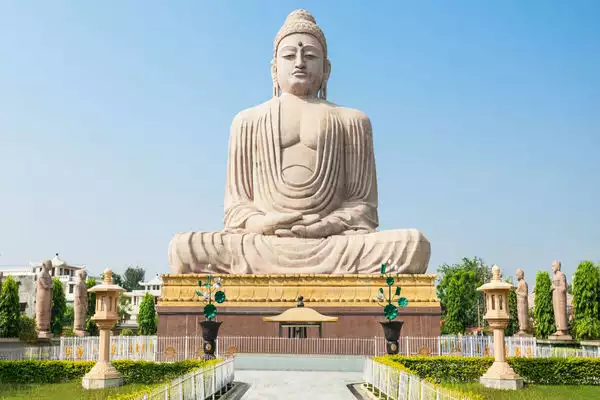
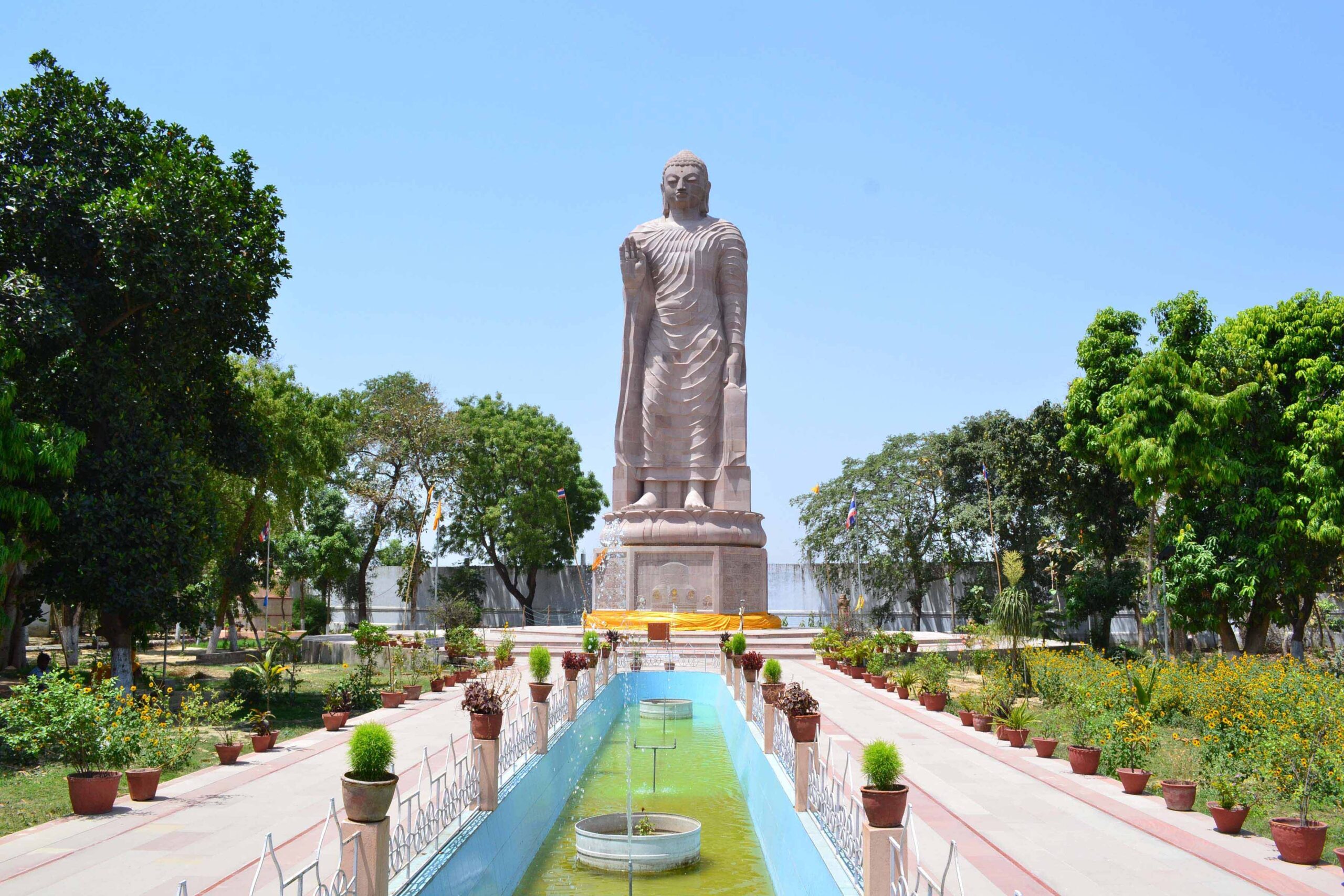
Foundation of the Sangha: Following Buddha’s first sermon at Sarnath, his five ascetic companions who had abandoned him earlier became his first disciples. This event marked the formation of the monastic community, known as the Sangha, which played a pivotal role in the spread of Buddhism.
Emperor Ashoka’s Patronage: Emperor Ashoka, one of the most famous rulers of ancient India and a devout Buddhist, visited Sarnath in the 3rd century BCE. He is credited with erecting a stupa (the Dhamek Stupa) and an inscribed pillar (the Ashoka Pillar) at Sarnath to commemorate Buddha’s teachings and to promote Buddhism. The Ashoka Pillar, featuring its four-lion capital, is a symbol of Buddhism and the national emblem of India.
Modern Buddhist Temples and Monasteries: Sarnath is home to various modern Buddhist temples and monasteries built by different Buddhist communities from around the world. These serve as places of worship, meditation, and study for Buddhist monks and followers, fostering a vibrant Buddhist presence in the area.
Vārāṇasī – Bārāṇasī
Tổng quan
Vārāṇasī, trong kinh Pāli thường gặp dưới dạng Bārāṇasī, là một trong những đô thị cổ quan trọng nhất của miền bắc Ấn Độ và đặc biệt quan trọng đối với địa lý Phật giáo thời kỳ đầu.
Pāli: Bārāṇasī
Sanskrit: Vārāṇasī
Tên Anh lịch sử: Benares / Banaras
Tên Việt/Hán-Việt: Ba-na-lại
Tên hiện đại: Varanasi
Vùng cổ: Kāsi
Hiện đại: Uttar Pradesh, India
Loại: thành phố / đại đô thị cổ
Cấu trúc database nên chuẩn hóa:
Kāsi
↓
Bārāṇasī / Vārāṇasī
↓
Isipatana
↓
Migadāya – Lộc Uyển
Đây là cấu trúc cực kỳ quan trọng.
Không nên đồng nhất:
Vārāṇasī = Isipatana = Sarnath.
Bārāṇasī và Vārāṇasī là cùng một thành phố
Trong nguồn Pāli, dạng rất thường gặp là:
Bārāṇasī.
Trong Sanskrit và tên hiện đại:
Vārāṇasī.
Tên thuộc địa/Anh hóa thường gặp:
Benares
hoặc:
Banaras.
Trong tài liệu Việt Nam:
Ba-na-lại.
Do đó database nên hợp nhất:
Bārāṇasī
= Vārāṇasī
= Varanasi
= Benares/Banaras
= Ba-na-lại
thành một thực thể địa danh, thay vì tạo thành nhiều thành phố khác nhau.
Vārāṇasī thuộc Kāsi
Trong địa lý chính trị cổ:
Vārāṇasī là trung tâm quan trọng nhất của Kāsi.
Vì vậy quan hệ chính nên là:
Kāsi
→ Bārāṇasī.
Record Nước Kāsi đã được xử lý trước đó nên Campā/Aṅga và Vārāṇasī/Kāsi có thể dùng cùng kiểu cấu trúc:
Aṅga → Campā
và:
Kāsi → Bārāṇasī.
Một trong những đô thị lớn của Ấn Độ cổ
Bārāṇasī không nên được mô tả như một thị trấn nhỏ chỉ nổi tiếng vì nằm gần Lộc Uyển.
Đây là một:
đại đô thị cổ.
Khảo cổ tại Rajghat, ở phía bắc Varanasi hiện đại gần nơi sông Varana gặp Gaṅgā, đã phát hiện khu định cư cổ được xác định với Varanasi cổ.
Một ấn triện thời Gupta tìm thấy tại đây đề cập đến cơ quan quản lý thành phố Varanasi, củng cố nhận dạng địa điểm.
Các cuộc khai quật cũng cho thấy một chuỗi cư trú cổ, với lớp khảo cổ được định niên đại khoảng 800 TCN và khả năng lịch sử định cư còn sớm hơn.
Vì vậy:
Vārāṇasī có nền tảng khảo cổ rất mạnh với tư cách một đô thị cổ.
Rajghat – chìa khóa khảo cổ
Đối với ảnh và bản đồ của record này, địa điểm quan trọng nhất không phải Dhamek Stupa mà là:
Rajghat.
Rajghat nằm gần:
Gaṅgā + Varana
ở phía bắc thành phố hiện đại.
Khảo cổ học xác định các gò tại Rajghat là:
khu định cư Varanasi cổ.
Đây là điểm cực kỳ hữu ích để phân biệt hai record:
Vārāṇasī
Rajghat / đô thị cổ
Isipatana Migadāya
Sarnath / Lộc Uyển
Hai nơi có quan hệ gần nhưng không phải một.
Bārāṇasī và Isipatana
Một trong những công thức địa lý quan trọng nhất của kinh Pāli là:
Bārāṇasiyaṃ viharati Isipatane Migadāye
về nghĩa địa lý:
Đức Phật trú gần Bārāṇasī, tại Isipatana, trong Vườn Nai.
AN 6.61 vẫn trực tiếp bảo tồn cấu trúc này: Đức Phật đang ở gần Varanasi, tại Deer Park ở Isipatana. (suttacentral.net)
Do đó database:
Bārāṇasī
↓
Isipatana
↓
Migadāya.
Không nên nhập Lộc Uyển vào trung tâm thành phố
Điểm này rất quan trọng.
Isipatana Migadāya
không phải một công viên nằm giữa trung tâm Bārāṇasī cổ.
Đây là một địa điểm bên ngoài/gần đô thị.
Hiện nay:
Sarnath
nằm về phía bắc/đông bắc Varanasi.
Vì vậy bản đồ nên cho thấy:
Vārāṇasī cổ
↔
Isipatana/Sarnath
là hai node riêng.
Chuyển Pháp Luân
Sự kiện Phật giáo nổi tiếng nhất của vùng Bārāṇasī diễn ra tại:
Isipatana Migadāya.
Sau khi giác ngộ tại Uruvelā/Bodhgayā, Đức Phật đi đến vùng Bārāṇasī để tìm năm người từng đồng tu.
Tại Isipatana Ngài thuyết:
Dhammacakkappavattana Sutta
– Kinh Chuyển Pháp Luân.
Vì vậy mạng địa lý–sự kiện nên là:
Bārāṇasī
→ Isipatana
→ Migadāya
→ Pañcavaggiya
→ Dhammacakkappavattana.
Không nên viết đơn giản:
“Đức Phật thuyết bài pháp đầu tiên trong thành Varanasi.”
Chính xác hơn:
gần Bārāṇasī, tại Isipatana Migadāya.
Năm vị Pañcavaggiya
Isipatana thuộc mạng địa lý Bārāṇasī nên thành phố cũng gián tiếp liên hệ với:
Koṇḍañña
Vappa
Bhaddiya
Mahānāma
Assaji.
Nhưng nếu database hỗ trợ địa điểm cụ thể, quan hệ trực tiếp của năm vị nên gắn với:
Isipatana Migadāya
chứ không chỉ gắn chung chung với Vārāṇasī.
SN 22.59 – Vô Ngã Tướng
Một bài kinh cực kỳ quan trọng khác có bối cảnh:
gần Varanasi → Isipatana → Deer Park
là:
SN 22.59 – Anattalakkhaṇa Sutta.
Nguồn trực tiếp đặt Đức Phật tại Deer Park ở Isipatana gần Varanasi và Ngài giảng cho nhóm năm vị. (suttacentral.net)
Do đó:
Bārāṇasī
→ Isipatana
→ SN 22.59
→ pañcakkhandha
→ anattā.
Không chỉ có hai bài kinh đầu tiên
Không nên làm database khiến người đọc tưởng rằng Đức Phật chỉ đến vùng Bārāṇasī một lần ngay sau giác ngộ.
Nhiều bài kinh khác tiếp tục đặt Đức Phật:
near Varanasi → Isipatana → Deer Park.
Ví dụ:
AN 6.61
trực tiếp sử dụng bối cảnh này. (suttacentral.net)
SN 55.53
cũng đặt Đức Phật tại Deer Park ở Isipatana gần Varanasi; cư sĩ Dhammadinna cùng năm trăm cư sĩ đến gặp Ngài. (suttacentral.net)
Điều đó cho thấy Isipatana tiếp tục là một địa điểm hoạt động Phật giáo, không chỉ là nơi diễn ra một sự kiện duy nhất.
Yasa và Bārāṇasī
Một nhân vật quan trọng của thời kỳ Saṅgha sơ khai là:
Yasa.
Theo Vinaya, Yasa xuất thân từ một gia đình giàu có tại Bārāṇasī.
Sau khi gặp Đức Phật và nghe pháp, Yasa đi vào con đường xuất gia.
Cha của Yasa cũng trở thành một trong những nam cư sĩ đầu tiên quy y Tam bảo.
Sau đó bạn bè của Yasa tiếp tục gia nhập cộng đồng.
Vì vậy:
Bārāṇasī
→ Yasa
→ gia đình Yasa
→ Saṅgha sơ kỳ.
Đây là quan hệ trực tiếp hơn với thành phố Bārāṇasī so với sự kiện Chuyển Pháp Luân vốn xảy ra tại Isipatana.
Bārāṇasī và sự phát triển Saṅgha sơ kỳ
Toàn bộ khu vực có vai trò đặc biệt trong giai đoạn ngay sau giác ngộ:
Bodhgayā/Uruvelā
↓
Bārāṇasī
↓
Isipatana
↓
Pañcavaggiya
↓
Yasa và những người bạn
↓
Saṅgha sơ kỳ
↓
các vị A-la-hán được sai đi hoằng pháp.
Do đó Bārāṇasī không chỉ là:
“thành phố gần Lộc Uyển.”
Nó nằm ngay trong mạng địa lý của:
sự hình thành cộng đồng Phật giáo đầu tiên.
Bārāṇasī trong DN 16
Trong Mahāparinibbāna Sutta, khi Ānanda đề nghị Đức Phật không nên Parinibbāna tại Kusinārā, ông nêu một số đô thị lớn thích hợp hơn.
Danh sách bao gồm:
Campā
Rājagaha
Sāvatthī
Sāketa
Kosambī
và:
Bārāṇasī.
Điều này rất hữu ích cho database vì Campā vừa được xử lý trước record này.
Có thể tạo nhóm:
Các mahānagara được nêu trong DN 16
→ Campā
→ Rājagaha
→ Sāvatthī
→ Sāketa
→ Kosambī
→ Bārāṇasī.
Nó phản ánh địa vị đô thị nổi bật của Bārāṇasī trong thế giới Bắc Ấn cổ.
Kāsi và Kosala
Một vấn đề chính trị cần trình bày thận trọng là:
Kāsi – Kosala.
Trong lớp truyền thống cổ, Kāsi từng là một thế lực quan trọng với Bārāṇasī là trung tâm.
Đến thời Đức Phật, quan hệ quyền lực đã thay đổi và Kāsi gắn chặt với:
Kosala.
Các kinh thường sử dụng cách gọi:
Kāsi-Kosala.
Do đó không nên vẽ:
Kāsi
như một vương quốc hoàn toàn độc lập, có biên giới cố định trong suốt toàn bộ cuộc đời Đức Phật.
Database nên cho phép:
Kāsi → Bārāṇasī
và:
Kāsi ↔ Kosala
với thuộc tính quan hệ lịch sử/chính trị.
Kinh tế và thủ công nghiệp
Khảo cổ và nghiên cứu lịch sử cho thấy Varanasi là một trung tâm đô thị và thương mại quan trọng.
Báo cáo của Archaeological Survey of India về Rajghat mô tả Varanasi phát triển thành một đô thị lớn vào giữa thiên niên kỷ I TCN, với các ngành nghề và thủ công chuyên môn hóa.
Tư liệu cũng ghi nhận các truyền thống về:
-
đóng thuyền;
-
chế tác ngà;
-
gỗ đàn hương;
-
hàng dệt;
-
các khu nghề chuyên môn.
Vị trí trên Gaṅgā đặc biệt thuận lợi cho giao thông đường sông.
Phần này nên được đặt dưới:
KHẢO CỔ / LỊCH SỬ KINH TẾ
chứ không gán tất cả trực tiếp cho một bài kinh Nikāya.
Vải Kāsi
Trong văn học Pāli, vải Kāsi nổi tiếng về chất lượng.
Điều này phù hợp với hình ảnh vùng Kāsi–Bārāṇasī như một trung tâm thủ công và thương mại phát triển.
Database có thể tạo:
Kāsi
→ textile / Kāsi cloth
và:
Bārāṇasī
→ urban economy.
Nhưng không cần biến record địa danh thành lịch sử toàn bộ ngành dệt Varanasi.
Gaṅgā – sông Hằng
Vārāṇasī nằm bên:
Gaṅgā.
Đây là một trong những đặc điểm địa lý nổi bật nhất của thành phố.
Khảo cổ ASI lưu ý đoạn Gaṅgā tại Varanasi chuyển hướng về phía bắc, đồng thời vị trí và hình thái bờ sông thuận lợi cho tàu thuyền và thương mại đường sông.
Do đó:
Vārāṇasī
→ Gaṅgā
là một quan hệ địa lý quan trọng.
Varana và Asi
Một cách giải thích rất phổ biến cho tên:
Vārāṇasī
liên hệ thành phố với hai dòng:
Varana
và:
Asi.
Tuy nhiên không nên trình bày mọi cách giải thích từ nguyên hậu kỳ như một dữ kiện ngôn ngữ học tuyệt đối.
Đối với database địa lý, chỉ cần ghi:
Varana và Asi là hai dòng nước truyền thống gắn với địa lý Varanasi.
Đặc biệt khu đô thị khảo cổ Rajghat nằm gần:
Varana + Gaṅgā.
Rajghat
Đây nên là node khảo cổ quan trọng của record.
Rajghat
nằm tại rìa bắc Varanasi hiện đại.
Các gò khảo cổ tại đây đại diện cho:
khu định cư Varanasi cổ.
Khảo cổ đã được tiến hành từ thế kỷ XX bởi:
Archaeological Survey of India
và:
Banaras Hindu University.
Một ấn triện với chữ Gupta Brahmi liên hệ trực tiếp đến cơ quan hành chính của thành Varanasi là một trong những chứng cứ đáng chú ý hỗ trợ nhận dạng.
Niên đại khảo cổ
Các cuộc khai quật Rajghat cho thấy lớp văn hóa:
Period IA
được đặt khoảng:
800 TCN.
Các phát hiện khác quanh Varanasi như Akatha và Ramnagar góp phần cho thấy lịch sử cư trú trong vùng còn rất cổ.
Điều này đặc biệt quan trọng vì:
Bārāṇasī không chỉ tồn tại trong văn bản Phật giáo; nó có nền khảo cổ đô thị độc lập rất mạnh.
Không nên lấy ghats hiện đại làm Bārāṇasī thời Đức Phật
Khi tạo ảnh record Varanasi, rất dễ lấy:
-
Dashashwamedh Ghat;
-
Manikarnika Ghat;
-
đền Hindu;
-
các cung điện ven sông;
-
thuyền và kiến trúc hiện đại,
rồi gọi:
“Bārāṇasī thời Đức Phật.”
Điều đó sai về niên đại.
Các ghats và skyline nổi tiếng ngày nay phản ánh phần lớn những lớp lịch sử rất muộn.
Ảnh hiện đại hoàn toàn có thể sử dụng, nhưng phải chú thích:
“Varanasi hiện nay.”
Không lấy Sarnath làm ảnh duy nhất cho Vārāṇasī
Record trước đã xử lý:
Lộc Uyển – Isipatana Migadāya.
Do đó record Vārāṇasī không nên lặp lại nguyên infographic Dhamek Stupa.
Hình ảnh tốt hơn là:
Hình chính
Gaṅgā và Varanasi hiện đại
để nhận diện thành phố hiện nay.
Khảo cổ
Rajghat
để đại diện đô thị cổ.
Bản đồ
Rajghat / Vārāṇasī ↔ Sarnath / Isipatana.
Ô phụ
Isipatana Migadāya
để thể hiện quan hệ Phật giáo.
Vārāṇasī trong các Jātaka
Bārāṇasī xuất hiện cực kỳ thường xuyên trong:
Jātaka.
Một công thức nổi tiếng là các câu chuyện đặt bối cảnh:
khi Brahmadatta trị vì Bārāṇasī.
Nhưng phải hết sức thận trọng.
Không nên tạo một vị vua lịch sử duy nhất:
“Brahmadatta – vua Bārāṇasī thời Đức Phật.”
Trong Jātaka:
Brahmadatta
thường mang tính tên vua công thức/truyền thống kể chuyện qua nhiều đời.
Vì vậy:
Bārāṇasī → Jātaka → Brahmadatta
phải được đánh dấu:
JĀTAKA / TRUYỀN THỐNG VĂN HỌC
chứ không nhập thẳng vào lịch sử chính trị thế kỷ V TCN.
Không nên biến Vārāṇasī thành “thành phố Phật giáo”
Bārāṇasī có lịch sử tôn giáo cực kỳ đa dạng.
Trong Phật giáo, nó rất quan trọng vì:
-
gần Isipatana;
-
gắn với Saṅgha sơ kỳ;
-
Yasa;
-
Kāsi;
-
mạng giao thông và đô thị.
Nhưng Bārāṇasī không phải:
một thành phố chỉ thuộc Phật giáo.
Qua lịch sử, nơi đây đặc biệt quan trọng đối với nhiều truyền thống tôn giáo Ấn Độ.
Database địa danh Phật học nên mô tả đúng:
một đại đô thị đa truyền thống có vai trò đặc biệt trong lịch sử Phật giáo.
Quan hệ với Sarnath hiện nay
Ngày nay:
Varanasi
và:
Sarnath
thuộc cùng vùng đô thị rộng.
Archaeological Survey of India quản lý các di tích khai quật tại Sarnath trong địa bàn Varanasi, nhưng về lịch sử Phật giáo vẫn phải giữ hai node riêng.
Cấu trúc:
VARANASI
→ đô thị hiện đại / kế thừa Bārāṇasī
SARNATH
→ địa điểm hiện đại của Isipatana Migadāya.
Mạng database đề nghị
Chính trị – địa lý
Kāsi
↓
Bārāṇasī / Vārāṇasī
Địa danh Phật giáo
Bārāṇasī
↓
Isipatana
↓
Migadāya
Sự kiện
Bārāṇasī
→ Isipatana
→ Pañcavaggiya
→ Dhammacakkappavattana
→ Saṅgha sơ kỳ.
Giáo pháp
Isipatana
→ SN 56.11
→ Trung đạo
→ Bát Chánh đạo
→ Bốn Thánh đế
và:
Isipatana
→ SN 22.59
→ pañcakkhandha
→ anattā.
Nhân vật
Bārāṇasī
→ Yasa
Isipatana
→ Koṇḍañña
→ Vappa
→ Bhaddiya
→ Mahānāma
→ Assaji.
Khảo cổ
Vārāṇasī
→ Rajghat
→ ancient settlement
Địa lý tự nhiên
Vārāṇasī
→ Gaṅgā
Vārāṇasī
→ Varana
Vārāṇasī
→ Asi (truyền thống địa danh)
Hiện đại
Bārāṇasī
≈ Varanasi
và:
Isipatana
≈ Sarnath.
Quan hệ với các record đã hoàn thiện
Database hiện có thể tạo một chuỗi rất tốt:
Kāsi
↓
Vārāṇasī
↓
Isipatana Migadāya
↓
Dhammacakkappavattana
Tương tự:
Aṅga
↓
Campā
↓
Gaggarā Pokkharaṇī
và:
Kosala
↓
Sāvatthī
↓
Jetavana
↓
Gandhakuṭi.
Ba chuỗi này nên sử dụng cùng một mô hình parent_place.
Những điều cần tránh
Không viết:
Vārāṇasī = Sarnath.
Không viết:
Bārāṇasī = Isipatana.
Không đặt:
Dhamek Stupa
trong trung tâm Bārāṇasī cổ.
Không nói:
Đức Phật thuyết Chuyển Pháp Luân ngay trong thành Bārāṇasī.
Nên ghi:
tại Isipatana Migadāya gần Bārāṇasī.
Không coi:
Benares, Banaras, Varanasi, Bārāṇasī
là bốn địa danh độc lập.
Không biến:
Brahmadatta
trong hàng loạt Jātaka thành một vị vua lịch sử duy nhất của thời Đức Phật.
Không dùng skyline ghats hiện đại để phục dựng thành phố thế kỷ V TCN.
Không gán toàn bộ các đền, ghats và nghi lễ Varanasi hiện nay cho thời Đức Phật.
Tên record đề nghị
Tên tốt nhất:
Vārāṇasī (Bārāṇasī / Benares / Ba-na-lại)
Nếu website ưu tiên Pāli:
Bārāṇasī – Vārāṇasī (Ba-na-lại)
Tên hiện tại:
Varanasi (Benares, Ba-na-lại)
vẫn sử dụng được, nhưng nên thêm:
Bārāṇasī
vì đây là dạng rất quan trọng đối với tìm kiếm kinh Pāli.
Mô tả ngắn đề nghị
“Vārāṇasī, trong kinh Pāli thường gọi Bārāṇasī và trong tiếng Việt quen gọi Ba-na-lại, là đại đô thị cổ của Kāsi bên sông Gaṅgā. Thành phố có vai trò đặc biệt trong địa lý Phật giáo vì Isipatana Migadāya – Lộc Uyển, nơi Đức Phật Chuyển Pháp Luân cho năm vị Pañcavaggiya – nằm gần Bārāṇasī. Nhiều kinh tiếp tục ghi Đức Phật cư trú tại Isipatana gần thành phố, trong đó có SN 22.59 và AN 6.61. Bārāṇasī cũng gắn với Yasa và quá trình hình thành Saṅgha sơ kỳ. Về khảo cổ, các gò Rajghat ở phía bắc Varanasi hiện đại được nhận dạng với khu định cư Varanasi cổ và cho thấy lịch sử đô thị ít nhất từ thiên niên kỷ I TCN. Cần phân biệt Vārāṇasī với Isipatana/Sarnath: thành phố và Lộc Uyển là hai địa điểm riêng nhưng liên hệ mật thiết.”
Dữ liệu đề nghị
Tên chuẩn: Vārāṇasī / Bārāṇasī
Tên Pāli: Bārāṇasī
Tên Sanskrit: Vārāṇasī
Tên hiện đại: Varanasi
Alias: Benares, Banaras, Ba-na-lại
Loại: thành phố / đại đô thị
Vùng cổ: Kāsi
Sông: Gaṅgā
Địa danh Phật giáo liên hệ: Isipatana Migadāya
Nhân vật: Đức Phật, Pañcavaggiya, Yasa và cộng đồng Phật giáo sơ kỳ
Kinh tiêu biểu: SN 56.11, SN 22.59, AN 6.61 cùng nhiều kinh tại Isipatana
Sự kiện: mạng địa lý của Chuyển Pháp Luân và hình thành Saṅgha sơ kỳ
Khảo cổ chính: Rajghat
Hiện đại: Varanasi, Uttar Pradesh, India
Không đồng nhất với: Sarnath / Isipatana
Parent: Kāsi
Child/related place: Isipatana → Migadāya.
Mức độ chắc chắn
RẤT CAO – KINH ĐIỂN: Nhiều nguồn trực tiếp dùng công thức Bārāṇasī → Isipatana → Migadāya. AN 6.61 và SN 22.59 là những ví dụ rõ ràng. (suttacentral.net) (suttacentral.net)
RẤT CAO – HOẠT ĐỘNG PHẬT GIÁO: Isipatana không chỉ xuất hiện trong sự kiện Chuyển Pháp Luân; SN 55.53 tiếp tục ghi Đức Phật tại Deer Park ở Isipatana gần Varanasi cùng cộng đồng cư sĩ. (suttacentral.net)
RẤT CAO – KHẢO CỔ ĐÔ THỊ: ASI xác định các gò Rajghat đại diện cho khu định cư Varanasi cổ; khai quật phát hiện chuỗi văn hóa cổ và bằng chứng văn khắc hỗ trợ nhận dạng.
RẤT CAO – PHÂN BIỆT ĐỊA DANH: Vārāṇasī/Bārāṇasī là thành phố; Isipatana Migadāya/Sarnath là địa điểm gần thành phố. Hai record phải liên kết nhưng không hợp nhất.
THẬN TRỌNG – PHỤC DỰNG: hình thái chính xác của Bārāṇasī trong thế kỷ Đức Phật không thể suy ra từ skyline, ghats và đền thờ của Varanasi hiện đại.
Khảo cứu địa danh
Mô tả đã đối chiếu
Một trong các đại đô thị được DN 17 nêu tên; vùng Vārāṇasī/Kāsi có vai trò lớn trong địa lý Phật giáo sớm, đặc biệt Isipatana gần Bārāṇasī.
Đính chính
Giữ phân loại thành phố. Cần phân biệt thành phố Bārāṇasī với Isipatana/Sarnath là địa điểm riêng ở lân cận, tránh gộp hai record thành một.
Bổ sung
Nên chuẩn hóa quan hệ địa lý cho Vārāṇasī/Bārāṇasī (Benares): quốc gia/chính thể mẹ → thành phố → tinh xá/thánh tích → sự kiện → nhân vật → kinh/luật. Giữ nguyên record gốc và dùng lớp ChatGPT để bổ sung/đính chính.
Niên đại & lớp truyền thống
Lớp sớm: ưu tiên Nikāya/Vinaya và các parallel khi có. Lớp hậu kỳ: Jātaka, chú giải, truyền thuyết hành hương và nhận dạng khảo cổ phải được gắn nhãn riêng nếu không cùng niên đại.
Nikāya / Āgama / Vinaya
Nguồn đối chiếu chính: DN 17; các kinh đặt bối cảnh Isipatana near Bārāṇasī. Mức chứng thực được đánh giá theo việc địa danh xuất hiện trực tiếp và vai trò của nó trong nguồn sớm.
Truyền thống hậu kỳ
Các truyền thống tiểu sử, hành hương hoặc diễn giải xuất hiện muộn hơn cần giữ lại nếu có giá trị, nhưng không hòa lẫn với chứng cứ Nikāya/Vinaya.
Khảo cổ & nghiên cứu hiện đại
Khảo cổ và địa lý hiện đại hỗ trợ nhận dạng địa điểm, nhưng không tự động chứng minh mọi sự kiện tôn giáo được truyền thống gắn với địa điểm đó.
Định vị địa lý
Giữ tọa độ/định vị hiện có nếu có nguồn; các nhận dạng còn tranh luận phải thể hiện mức độ chắc chắn thay vì một tọa độ tuyệt đối không chú thích.
Nguồn đối chiếu
- SuttaCentral: DN 17; các kinh đặt bối cảnh Isipatana near Bārāṇasī.
- Đối chiếu nội dung gốc Nikaya Tâm Học; không ghi đè dữ liệu gốc.