
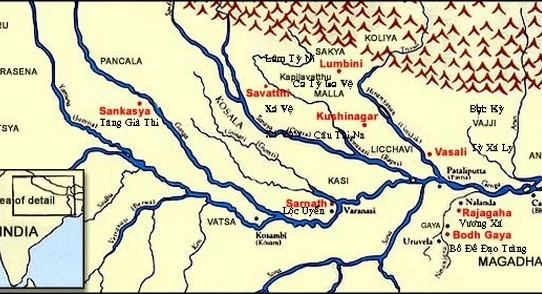
 Vương quốc Kosala
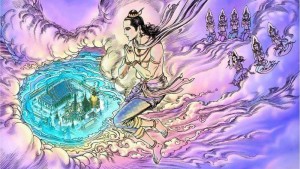 Mốc I : Hoàn cảnh trước khi Phật ra đời
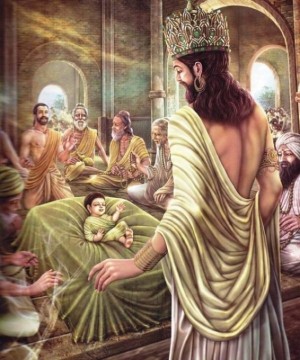 Mốc II : Sự kiện Phật đản sanh
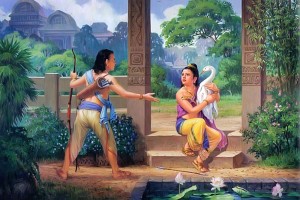 Mốc III: Giai đoạn tuổi thơ của Bồ tát Tất Đạt Đa
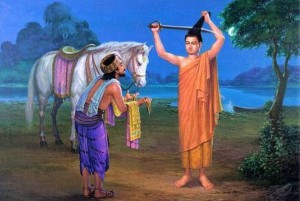 Mốc IV : Giai đoạn trưởng thành - xuất gia
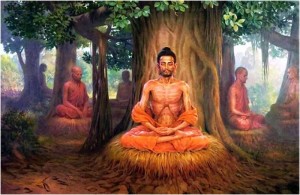 Mốc V : Tầm đạo
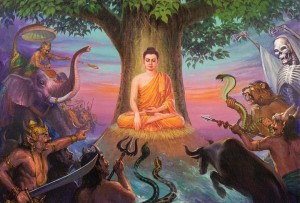 Mốc VI : Thành đạo
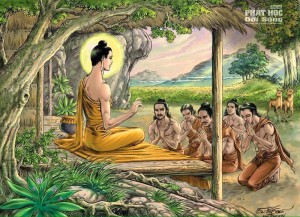 Mốc VII: Những vị đệ tử đầu tiên
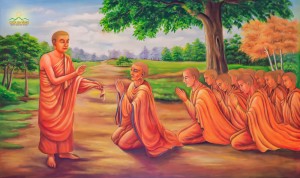 Mốc VIII : Tăng đoàn lớn mạnh
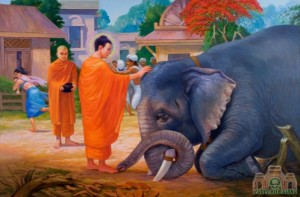 Mốc IX: Mười ba năm cuối cuộc đời Đức Phật
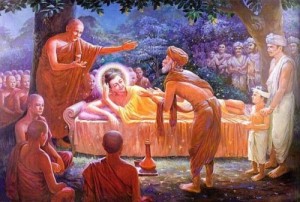 Mốc X : Đức Phật nhập niết bàn


Kinh Trung Bộ ENG 151 Kinh Khất Thực Thanh Tịnh (Pindapātapārisuddhi sutta)
Kinh Trung Bộ ENG 151 Kinh Khất Thực Thanh Tịnh (Pindapātapārisuddhi sutta)
Majjhima Nikāya
III. Upari Paṇṇāsa
5. Saḷāyatana Vagga
The Middle Length Sayings
III. The Final Fifty Discourses
5. The Division of the Sixfold Sense(-field)
Sutta 151
Piṇḍapāta-Pārisuddhi Suttaɱ
Translated from the Pali by I.B. Horner, O.B.E., M.A.
Associate of Newham College, Cambridge
First Published in 1954
Copyright The Pali Text Society
Commercial Rights Reserved
For details see Terms of Use.
[1][chlm][upal][than] THUS have I heard:
At one time the Lord was staying near Rājagaha
in the Bamboo Grove
at the squirrels’ feeding place.
Then the venerable Sāriputta,
emerging from solitary meditation towards [343] evening,
approached the Lord;
having approached and greeted the Lord,
he sat down at a respectful distance.
The Lord spoke thus
to the venerable Sāriputta
as he was sitting down at a respectful distance:
2. “Your faculties are very bright, Sāriputta,
your complexion very pure,
very clear.
In which abiding are you, Sāriputta,
now abiding in the fullness thereof?”
“Abiding in (the concept of) emptiness
do I, revered sir,
now abide in the fullness thereof.”[1]
“It is good, Sāriputta,
it is good.
You, Sāriputta, are now indeed abiding in fullness
in the abiding of great men.[2]
For this is the abiding of great men, Sāriputta,
that is to say (the concept of) emptiness.
3. Wherefore, Sāriputta, if a monk should desire:
‘May I now abide in fullness
in the abiding in (the concept of) emptiness,’
that monk should consider thus, Sāriputta:
‘On the road by which I entered the village for almsfood
or in the part in which I walked for almsfood
or on the road by which I left the village
after (walking for) almsfood –
did I have there in my mind
desire or attachment
or aversion or confusion
or sensory reaction
in regard to material shapes
cognisable by the eye?
If, Sāriputta, a monk while considering knows thus:
‘On the road by which I entered the village for almsfood
or in the part in which I walked for almsfood
or on the road by which I left the village
after (walking for) almsfood –
did I have there in my mind
desire or attachment
or aversion or confusion
or sensory reaction
in regard to material shapes
cognisable by the eye’ –
that monk, Sāriputta, should make an effort
to get rid of these evil unskilled states themselves.
But if, Sāriputta, a monk while considering knows thus:
‘On the road by which I entered the village for almsfood
or in the part in which I walked for almsfood
or on the road by which I left the village
after (walking for) almsfood –
did I have there in my mind
desire or attachment
or aversion or confusion
or sensory reaction
in regard to material shapes
cognisable by the eye’ –
that monk, Sāriputta, with rapture and joy
can forsake[3] these,
training himself day and night
in states that are skilled.
4. And again, Sāriputta, a monk should consider thus:
‘On the road by which I entered the village for almsfood
or in the part in which I walked for almsfood
or on the road by which I left the village
after (walking for) almsfood –
did I have there in my mind
desire or attachment
or aversion or confusion
or sensory reaction
in regard to sounds
cognisable by the ear?’
If, Sāriputta, a monk while considering knows thus:
‘On the road by which I entered the village for almsfood
or in the part in which I walked for almsfood
or on the road by which I left the village
after (walking for) almsfood –
did I have there in my mind
desire or attachment
or aversion or confusion
or sensory reaction
in regard to sounds
cognisable by the ear’ –
that monk, Sāriputta, should make an effort
to get rid of these evil unskilled states themselves.
But if, Sāriputta, a monk while considering knows thus:
‘On the road by which I entered the village for almsfood
or in the part in which I walked for almsfood
or on the road by which I left the village
after (walking for) almsfood –
did I have there in my mind
desire or attachment
or aversion or confusion
or sensory reaction
in regard to sounds
cognisable by the ear’ –
that monk, Sāriputta, with rapture and joy
can forsake these,
training himself day and night
in states that are skilled.
5. And again, Sāriputta, a monk should consider thus:
‘On the road by which I entered the village for almsfood
or in the part in which I walked for almsfood
or on the road by which I left the village
after (walking for) almsfood –
did I have there in my mind
desire or attachment
or aversion or confusion
or sensory reaction
in regard to smells
cognisable by the nose?’
If, Sāriputta, a monk while considering knows thus:
‘On the road by which I entered the village for almsfood
or in the part in which I walked for almsfood
or on the road by which I left the village
after (walking for) almsfood –
did I have there in my mind
desire or attachment
or aversion or confusion
or sensory reaction
in regard to smells
cognisable by the nose’ –
that monk, Sāriputta, should make an effort
to get rid of these evil unskilled states themselves.
But if, Sāriputta, a monk while considering knows thus:
‘On the road by which I entered the village for almsfood
or in the part in which I walked for almsfood
or on the road by which I left the village
after (walking for) almsfood –
did I have there in my mind
desire or attachment
or aversion or confusion
or sensory reaction
in regard to smells
cognisable by the nose’ –
that monk, Sāriputta, with rapture and joy
can forsake these,
training himself day and night
in states that are skilled.
6. And again, Sāriputta, a monk should consider thus:
‘On the road by which I entered the village for almsfood
or in the part in which I walked for almsfood
or on the road by which I left the village
after (walking for) almsfood –
did I have there in my mind
desire or attachment
or aversion or confusion
or sensory reaction
in regard to tastes
cognisable by the tongue?’
If, Sāriputta, a monk while considering knows thus:
‘On the road by which I entered the village for almsfood
or in the part in which I walked for almsfood
or on the road by which I left the village
after (walking for) almsfood –
did I have there in my mind
desire or attachment
or aversion or confusion
or sensory reaction
in regard to tastes
cognisable by the tongue’ –
that monk, Sāriputta, should make an effort
to get rid of these evil unskilled states themselves.
But if, Sāriputta, a monk while considering knows thus:
‘On the road by which I entered the village for almsfood
or in the part in which I walked for almsfood
or on the road by which I left the village
after (walking for) almsfood –
did I have there in my mind
desire or attachment
or aversion or confusion
or sensory reaction
in regard to tastes
cognisable by the tongue’ –
that monk, Sāriputta, with rapture and joy
can forsake these,
training himself day and night
in states that are skilled.
7. And again, Sāriputta, a monk should consider thus:
‘On the road by which I entered the village for almsfood
or in the part in which I walked for almsfood
or on the road by which I left the village
after (walking for) almsfood –
did I have there in my mind
desire or attachment
or aversion or confusion
or sensory reaction
in regard to touches
cognisable by the body?’
If, Sāriputta, a monk while considering knows thus:
‘On the road by which I entered the village for almsfood
or in the part in which I walked for almsfood
or on the road by which I left the village
after (walking for) almsfood –
did I have there in my mind
desire or attachment
or aversion or confusion
or sensory reaction
in regard to touches
cognisable by the body’ –
that monk, Sāriputta, should make an effort
to get rid of these evil unskilled states themselves.
But if, Sāriputta, a monk while considering knows thus:
‘On the road by which I entered the village for almsfood
or in the part in which I walked for almsfood
or on the road by which I left the village
after (walking for) almsfood –
did I have there in my mind
desire or attachment
or aversion or confusion
or sensory reaction
in regard to touches
cognisable by the body’ –
that monk, Sāriputta, with rapture and joy
can forsake these,
training himself day and night
in states that are skilled.
8. And again, Sāriputta, a monk should consider thus:
‘On the road by which I entered the village for almsfood
or in the part in which I walked for almsfood
or on the road by which I left the village
after (walking for) almsfood –
did I have there in my mind
desire or attachment
or aversion or confusion
or sensory reaction
in regard to mental states
cognisable by the mind?’
[344] If, Sāriputta, a monk while considering knows thus:
‘On the road by which I entered the village for almsfood
or in the part in which I walked for almsfood
or on the road by which I left the village
after (walking for) almsfood –
did I have there in my mind
desire or attachment
or aversion or confusion
or sensory reaction
in regard to mental states
cognisable by the mind’ –
that monk, Sāriputta, should make an effort
to get rid of these evil unskilled states themselves.
But if, Sāriputta, a monk while considering knows thus:
‘On the road by which I entered the village for almsfood
or in the part in which I walked for almsfood
or on the road by which I left the village
after (walking for) almsfood –
did I have there in my mind
desire or attachment
or aversion or confusion
or sensory reaction
in regard to mental states
cognisable by the mind’ –
that monk, Sāriputta, with rapture and joy
can forsake these,
training himself day and night
in states that are skilled.
9. And again, Sāriputta, a monk should consider thus:
‘Are the five strands of sense-pleasures got rid of by me?
If, Sāriputta, a monk while considering knows thus:
‘The five strands of sense-pleasures have not been got rid of by me,’
he should make an effort to get rid of them.
But if while considering he knows:
‘The five strands of sense-pleasures have been got rid of by me,’
Then, Sāriputta, that monk with rapture and joy
can forsake them,
training himself day and night
in states that are skilled.
10. And again, Sāriputta, a monk should consider thus:
‘Are the five hindrances got rid of by me?
If, Sāriputta, a monk while considering knows thus:
‘The five hindrances have not been got rid of by me,’
he should make an effort to get rid of them.
But if while considering he knows:
‘The five hindrances have been got rid of by me,’
Then, Sāriputta, that monk with rapture and joy
can forsake them,
training himself day and night
in states that are skilled.
11. And again, Sāriputta, a monk should consider thus:
‘Do I fully understand the five groups of grasping?
If, Sāriputta, a monk while considering knows thus:
‘I do not fully understand the five groups of grasping,’
that monk, Sāriputta, should make an effort to understand them fully.
But if, Sāriputta, a monk while considering
knows:
‘I fully understand the five groups of grasping.
Then, Sāriputta, that monk with rapture and joy
can forsake them,
training himself day and night
in states that are skilled.
12. And again, Sāriputta, a monk should consider thus:
‘Are the four applications of mindfulness developed by me?
If, Sāriputta, a monk while considering knows thus:
‘The four applications of mindfulness are not fully understood by me.’
That monk, Sāriputta, should make an effort to understand them fully.
But if, Sāriputta, a monk while considering knows:
‘The four applications of mindfulness are fully understood by me.’
Then, Sāriputta, that monk with rapture and joy
can forsake them,
training himself day and night
in states that are skilled.
13. And again, Sāriputta, a monk should consider thus:
‘Are the four right efforts developed by me?
If, Sāriputta, a monk while considering knows thus:
‘The four right efforts are not fully developed by me.’
That monk, Sāriputta, should make an effort to develop them fully.
But if, Sāriputta, a monk while considering knows:
‘The four right efforts are fully developed by me.’
Then, Sāriputta, that monk with rapture and joy
can forsake them,
training himself day and night
in states that are skilled.
14. And again, Sāriputta, a monk should consider thus:
‘Are the four bases of psychic power developed by me?
If, Sāriputta, a monk while considering knows thus:
‘The four bases of psychic power are not fully developed by me.’
That monk, Sāriputta, should make an effort to develop them fully.
But if, Sāriputta, a monk while considering knows:
‘The four bases of psychic power are fully developed by me.’
Then, Sāriputta, that monk with rapture and joy
can forsake them,
training himself day and night
in states that are skilled.
15. And again, Sāriputta, a monk should consider thus:
‘Are the five controlling faculties developed by me?
If, Sāriputta, a monk while considering knows thus:
‘The five controlling faculties are not fully developed by me.’
That monk, Sāriputta, should make an effort to develop them fully.
But if, Sāriputta, a monk while considering knows:
‘The five controlling faculties are fully developed by me.’
Then, Sāriputta, that monk with rapture and joy
can forsake them,
training himself day and night
in states that are skilled.
16. And again, Sāriputta, a monk should consider thus:
‘Are the five powers developed by me?
If, Sāriputta, a monk while considering knows thus:
‘The five powers are not fully developed by me.’
That monk, Sāriputta, should make an effort to develop them fully.
But if, Sāriputta, a monk while considering knows:
‘The five powers are fully developed by me.’
Then, Sāriputta, that monk with rapture and joy
can forsake them,
training himself day and night
in states that are skilled.
17. And again, Sāriputta, a monk should consider thus:
‘Are the seven links in awakening developed by me?
If, Sāriputta, a monk while considering knows thus:
‘The seven links in awakening are not fully developed by me.’
That monk, Sāriputta, should make an effort to develop them fully.
But if, Sāriputta, a monk while considering knows:
‘The seven links in awakening are fully developed by me.’
Then, Sāriputta, that monk with rapture and joy
can forsake them,
training himself day and night
in states that are skilled.
18. And again, Sāriputta, a monk should consider thus:
‘Is the ariyan eightfold way developed by me?
If, Sāriputta, a monk while considering knows thus:
‘The ariyan eightfold way is not fully developed by me.’
That monk, Sāriputta, should make an effort to develop it fully.
But if, Sāriputta, a monk while considering knows:
‘The ariyan eightfold Way is fully developed by me.’
Then, Sāriputta, that monk with rapture and joy
can forsake them,
training himself day and night
in states that are skilled.
19. And again, Sāriputta, a monk should consider thus:
‘Are calm and insight developed by me?
If, Sāriputta, a monk while considering knows thus:
‘Calm and insight are not fully developed by me.’
That monk, Sāriputta, should make an effort to develop them fully.
But if, Sāriputta, a monk while considering knows:
‘Calm and insight are fully developed by me.’
Then, Sāriputta, that monk with rapture and joy
can forsake them,
training himself day and night
in states that are skilled.
20. And again, Sāriputta, a monk should consider thus:
‘Are knowledge and freedom realized by me?
But if, Sāriputta, a monk while considering knows:
‘Knowledge and freedom are not realized [345] by me,’
that monk, Sāriputta, should make an effort to realize knowledge and freedom.
But if, Sāriputta, that monk while considering knows:
‘Knowledge and freedom are realized by me’ –
that monk, Sāriputta,
with rapture and joy
can forsake them,
training himself day and night
in states that are skilled.
21. Sāriputta, all those recluses and brahmans in the distant past
who completely purified themselves for alms-gathering
did so only after having reflected over and over again in these ways.
And, Sāriputta, all those recluses and brahmans in the distant future
who will completely purify themselves for alms-gathering
will do so only after having reflected over and over again in these ways.
And, Sāriputta, all those recluses and brahmans who at present
completely purify themselves for alms-gathering
do so only after having reflected over and over again in these ways.
Wherefore, Sāriputta, this is how you must train yourself:
‘I will completely purify myself for alms-gathering
after having reflected over and over again.’
This is how you, Sāriputta, must train yourself.”
Thus spoke the Lord.
Delighted, the venerable Sāriputta rejoiced in what the Lord had said.
Discourse on Complete Purity for Alms-gathering:
The Ninth
[1] Cf. Vin. ii. 304, and M. iii. 104.
[2] This is the abiding of Buddhas, individual Buddhas, Tathāgatas and great disciples, MA. v. 106.
[3] Vihālabbaɱ, from vijahati; but G.S. iii. 220 (A. iii. 307) translates it in parallel passage as though derived from viharati.
Nguồn : Source link