
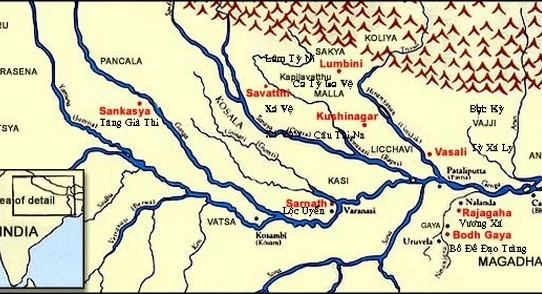
 Vương quốc Kosala
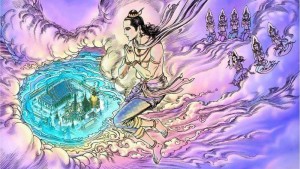 Mốc I : Hoàn cảnh trước khi Phật ra đời
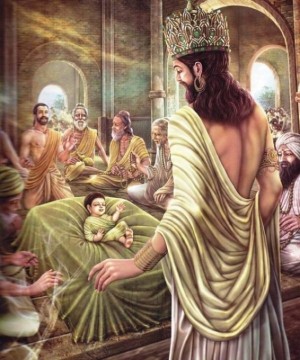 Mốc II : Sự kiện Phật đản sanh
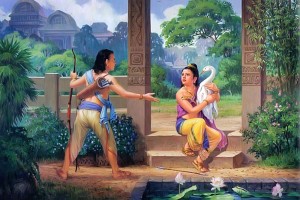 Mốc III: Giai đoạn tuổi thơ của Bồ tát Tất Đạt Đa
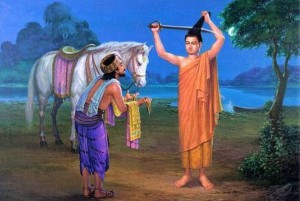 Mốc IV : Giai đoạn trưởng thành - xuất gia
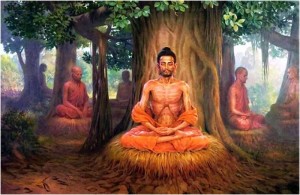 Mốc V : Tầm đạo
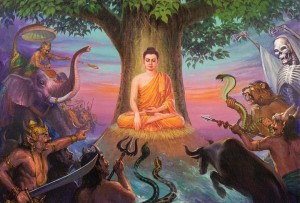 Mốc VI : Thành đạo
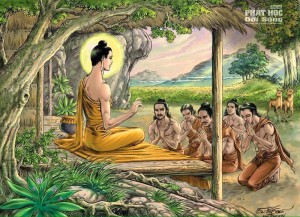 Mốc VII: Những vị đệ tử đầu tiên
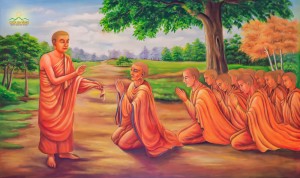 Mốc VIII : Tăng đoàn lớn mạnh
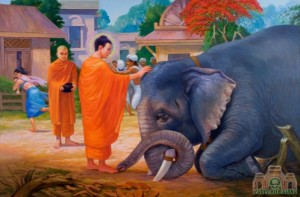 Mốc IX: Mười ba năm cuối cuộc đời Đức Phật
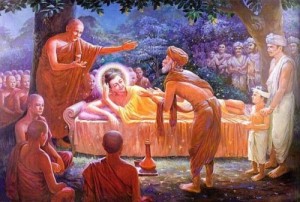 Mốc X : Đức Phật nhập niết bàn


01
ĐỐI CHIẾU NỘI DUNG
Nội dung gốc & ChatGPT
Nội dung dưới đây là dữ liệu gốc của Nikaya Tâm Học và được giữ nguyên để đối chiếu.
-
Mùa an cư thứ 5: Thành lập Ni đoàn
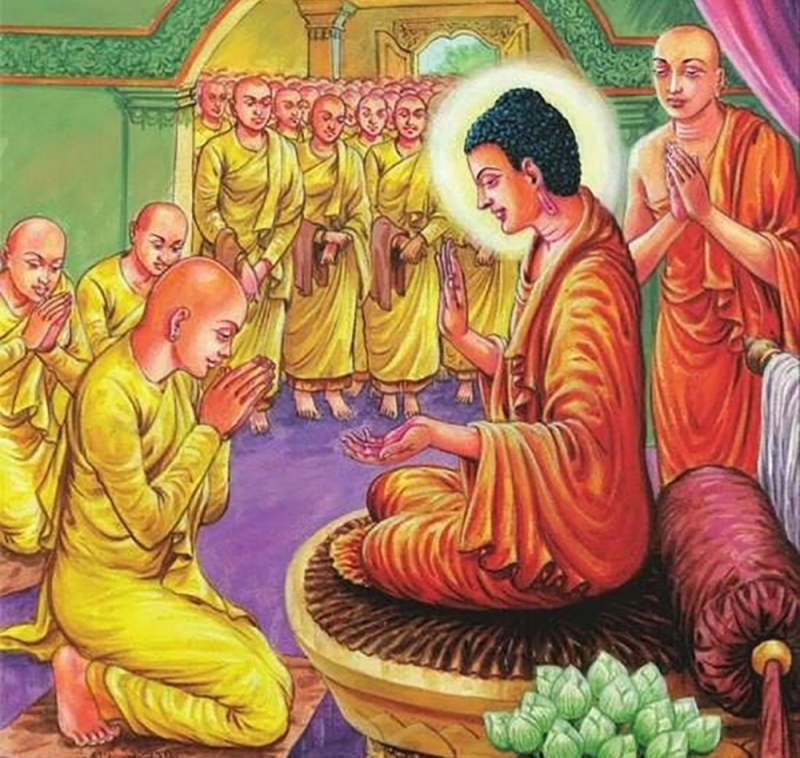
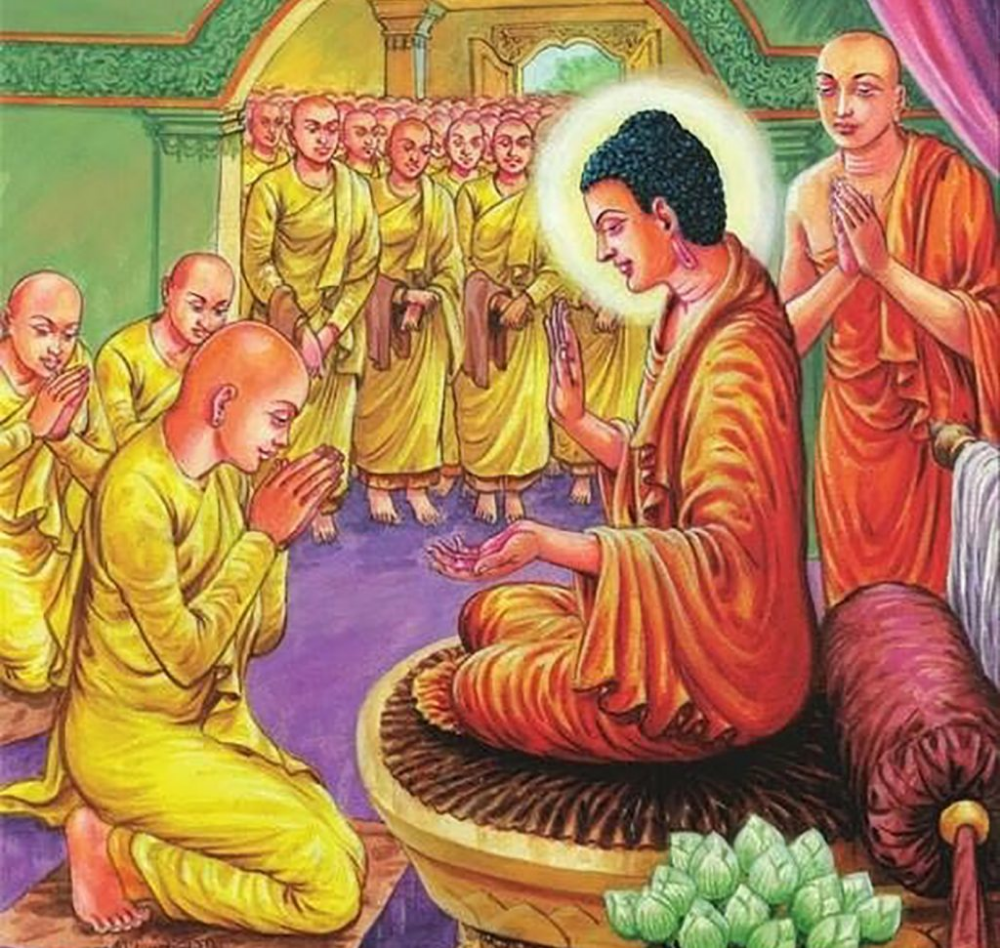
Đức Phật đã nhập hạ tại ngôi Trùng Các Giảng đường (Kūṭāgārasālā) ở Đại Lâm (Mahāvana) gần kinh thành Xá Vệ (Vesāli). Trong mùa an cư này, Di mẫu Mahāpajāpatigotamī cùng với 500 Thích nữ đã tự cạo tóc đắp y, đi bộ từ Kapilavatthu đến Vesāli để xin Đức Phật cho nữ giới xuất gia. Ngài đã ban hành 8 trọng pháp (Garudhamma) đến cho Dì mẫu như là sự xuất gia Tỳ kheo ni của bà. Như vậy, đến mùa an cư này thì hội chúng Tỳ kheo ni đã xuất hiện, Giáo hội Tỳ kheo ni đã được thành lập, tứ chúng đã có mặt đầy đủ kể từ đây.
- Definitions for: kūṭāgārasālā
- Kūṭāgārasālā
-


Licchavī
Licchavī
Licchavī
Licchavī
Licchavī
Leaflet | © OpenStreetMap contributors
A hall in the Mahāvana near Vesāli. The Buddha stayed there on several occasions, and in the books are found records of various eminent persons who visited him there and of his conversations with them. Among such visitors are mentioned several Licchavi chiefs, Mahāli Otthatthaddha, DN.i.150ff. SN.i.230f. SN.iii.68f. AN.v.86f. Nandaka, SN.v.389 Sunakkhatta, MN.ii.252 Bhaddiya, AN.ii.190f. Sāḷha and Abhaya, AN.ii.200 all attended by numerous retinues; their senāpati, Sīha, who went with five hundred chariots, having only decided after much hesitation to see the Buddha; AN.iii.38f. AN.iv.79 AN.iv.179ff. the Jaina Saccaka, whom the Buddha won only after much argumentation, as described in the Cūḷa- and the Mahā-Saccaka Suttas; MN.i.227ff. MN.i.237ff. the householder Ugga of Vesāli, acclaimed by the Buddha for the possession of eight eminent qualities; AN.iii.49 AN.iv.208f. SN.iv.109 the upāsaka Vāseṭṭha; AN.iv.258f. the two goddesses, daughters of Pajjunna, both known as Kokanadā; SN.i.29f. and the brahmin Piṅgiyāni. AN.iii.237f.
The Licchavis waited on the Buddha and ministered to him during his stay in the Kūṭāgārasālā, and it is said that they were of various hues: some blue, others yellow, etc. And Piṅgiyānī, seeing the Buddha shining in their midst, surpassing them all, once uttered the Buddha’s praises in verse, winning, as reward from the Licchavis, five hundred upper garments, all of which, be, in turn, presented to the Buddha. AN.iii.239f. On one occasion, when the Buddha was preaching to the monks regarding the six spheres of sense contact, Māra arranged an earthquake to break the monks’ concentration, but failed to achieve his object. SN.i.112 It was here that the Buddha finally agreed to grant the request of the five hundred Sākyan women, led by Pajāpatī Gotamī, that they might be ordained as nuns. They had followed the Buddha hither from Kapilavatthu AN.iv.274f. Vin.ii.253f.. The Buddha gave Pajāpatī Gotamī, at her special request, a summary of his doctrine. AN.iv.280 It was also at the Kūṭāgārasālā that the Buddha uttered his prophecy as to the ultimate downfall of-the Licchavis. SN.ii.267f.
It was customary for the Buddha, when staying at the Kūṭāgārasālā, to spend the noonday siesta in the woods outside the Mahāvana, at the foot of a tree; visitors coming at that time would, if their desire to see him was insistent, DN.i.151 AN.iii.75 seek him there or be conducted to him. Sometimes he would express his desire to see no one during such a retreat, except the monk who brought him his food.
On one occasion the retreat lasted a fortnight, and on his return he found that a large number of monks had committed suicide as a result of a sermon he had preached to them before his retreat on the un-loveliness of the body. He then caused the monks to be assembled, and asked them to concentrate on breathing. SN.v.320f. Sometimes the Buddha would walk from the Kūṭāgārasālā to places of interest in the neighbourhood—e.g., the Sārandada-cetiya AN.iii.167 and the Cāpāla-cetiya.SN.v.258 AN.iv.308f. It was from the Cāpāla-cetiya, during one of these walks that he gazed for the last time on Vesāli. He then returned to the Kūṭāgārasālā, where he announced that his death would take place within three months. DN.ii.119f. SN.v.258ff.
There was a sick ward attached to the monastery, where the Buddha would often visit the patients and talk with them. SN.iv.210f. AN.iii.142
The books also contain the names of others who stayed at the Kūṭāgārasālā when the Buddha was in residence—e.g., Ānanda, who was visited there by the Licchavis Abhaya and Panditakumāra;. AN.i.220 Anuruddha, who lived there in a forest hut; SN.iii.116 SN.iv.380 Nāgita, the Buddha’s former attendant, and Nāgita’s nephew the novice Sīha; DN.i.151 also Cāla, Upacāla, Kakkaṭa, Kaḷimbha, Nikata, and Kaṭissaha, all of whom left the Kūṭāgārasālā and retired to the Gosiṅgasālavana, when the visits of the Licchavis to the Buddha became disturbing to their solitude. AN.v.133f.
Trùng Các Giảng đường – Kūṭāgārasālā
Tổng quan
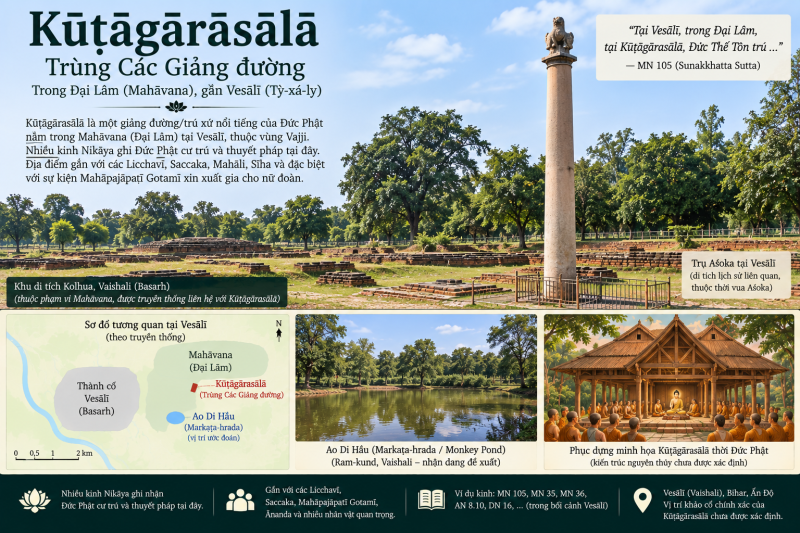
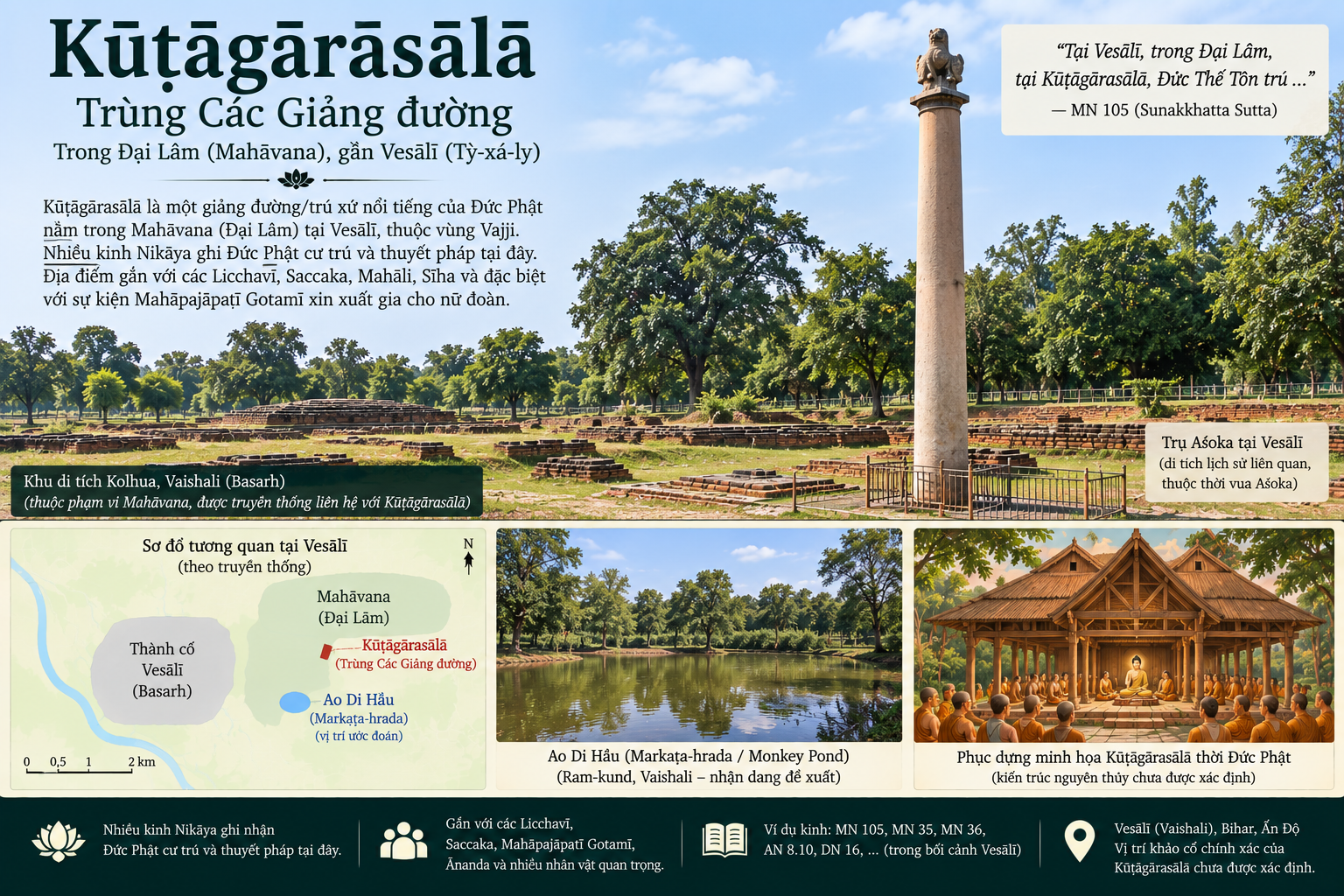
Kūṭāgārasālā, thường dịch Trùng Các Giảng đường, là một trú xứ/giảng đường Phật giáo nổi tiếng nằm trong Mahāvana (Đại Lâm) gần Vesālī (Tỳ-xá-ly), thuộc vùng Vajji.
Đây là một trong những địa điểm Đức Phật nhiều lần cư trú và thuyết pháp.
Pāli: Kūṭāgārasālā
Sanskrit: Kūṭāgāraśālā
Tên Việt: Trùng Các Giảng đường / Trùng Các đường
Tên Anh thường gặp: Hall with the Peaked Roof / Gabled Hall
Thuộc: Mahāvana
Thành phố: Vesālī
Chính thể: Vajji
Quan hệ địa lý chuẩn:
Vajji
↓
Vesālī
↓
Mahāvana – Đại Lâm
↓
Kūṭāgārasālā – Trùng Các Giảng đường
Đính chính lỗi quan trọng của nội dung cũ
Nội dung hiện tại viết:
“Đại Lâm (Mahāvana) gần kinh thành Xá Vệ (Vesāli).”
Đây là sự trộn hai thành phố.
Đúng phải là:
Vesālī = Tỳ-xá-ly
còn:
Sāvatthī = Xá-vệ.
Do đó nên sửa thành:
“Trùng Các Giảng đường (Kūṭāgārasālā) nằm trong Đại Lâm (Mahāvana), gần thành Vesālī – Tỳ-xá-ly.”
Nikaya Tâm Học hiện đã nhận diện chính xác lỗi này trong phần đối chiếu của record.
Mahāvana không phải Kūṭāgārasālā
Đây là điểm thứ hai cần chuẩn hóa.
Mahāvana
= Đại Lâm, một khu rừng lớn gần Vesālī.
Kūṭāgārasālā
= một trú xứ/giảng đường nằm trong Mahāvana.
Vì vậy không nên viết:
“Mahāvana còn gọi là Kūṭāgārasālā.”
Quan hệ đúng là:
Mahāvana
→ chứa
→ Kūṭāgārasālā.
Một khảo cứu khảo cổ về Vaiśālī cũng mô tả Kūṭāgārasālā là cơ sở nổi tiếng nằm trong Mahāvana, nơi Đức Phật thường cư trú và thuyết pháp.
Chứng cứ Nikāya trực tiếp
Địa điểm này có chứng cứ kinh điển rất mạnh.
Ví dụ MN 105 – Sunakkhatta Sutta mở đầu trực tiếp:
Đức Phật đang ở:
Vesālī → Mahāvana → Kūṭāgārasālā.
Sunakkhatta Licchaviputta sau đó đến gặp Ngài.
Do đó:
Kūṭāgārasālā là địa điểm thời Đức Phật: RẤT CAO.
Đây không chỉ là một địa danh xuất hiện trong chú giải hoặc ký sự hành hương hậu kỳ.
Một trung tâm thuyết pháp lớn tại Vesālī
Nguồn Pāli ghi nhận rất nhiều nhân vật đến gặp Đức Phật tại Kūṭāgārasālā.
Trong số đó có:
-
các thủ lĩnh Licchavī;
-
Mahāli;
-
Sīha Senāpati;
-
Saccaka;
-
Ugga của Vesālī;
-
Bhaddiya;
-
Sāḷha;
-
Abhaya;
-
Sunakkhatta;
-
Piṅgiyāni;
-
nhiều cư sĩ và Tỳ-kheo khác.
Điều này cho thấy Kūṭāgārasālā không phải một địa điểm phụ.
Nó là một trong những trung tâm sinh hoạt Phật giáo quan trọng nhất tại Vesālī.
Saccaka và hai bài kinh nổi tiếng
Một trong những nhân vật đặc biệt gắn với Vesālī là:
Saccaka.
Ông nổi tiếng là một nhà biện luận.
Các cuộc đối thoại giữa Đức Phật và Saccaka được ghi trong:
MN 35 – Cūḷasaccaka Sutta
và:
MN 36 – Mahāsaccaka Sutta.
Các truyền thống địa danh liên hệ Saccaka rất mạnh với:
Vesālī – Mahāvana – Kūṭāgārasālā.
Có thể tạo mạng:
Kūṭāgārasālā
→ Saccaka
→ Đức Phật
→ MN 35 / MN 36.
Mahāli Licchavi
Mahāli là một nhân vật Licchavī quan trọng.
Nguồn Pāli đặt các cuộc gặp giữa Mahāli và Đức Phật tại khu vực:
Vesālī → Mahāvana → Kūṭāgārasālā.
Điều này cho phép tạo:
Kūṭāgārasālā
→ Mahāli
→ Licchavī
→ Vesālī.
Đây cũng là một ví dụ rõ cho thấy giảng đường gắn chặt với đời sống chính trị và xã hội của Vesālī.
Sīha Senāpati
Một nhân vật quan trọng khác là:
Sīha Senāpati – tướng quân Sīha.
Ông là một nhân vật nổi bật của Licchavī và ban đầu có liên hệ với Nigaṇṭha.
Truyền thống Pāli ghi cuộc gặp giữa Sīha và Đức Phật tại Vesālī/Kūṭāgārasālā.
Có thể liên kết:
Kūṭāgārasālā
→ Sīha Senāpati
→ Licchavī
→ Nigaṇṭha
→ Đức Phật.
Mahāpajāpatī Gotamī và Ni đoàn
Đây là một trong những sự kiện nổi tiếng nhất gắn với Kūṭāgārasālā.
Vinaya và AN ghi truyền thống rằng:
Mahāpajāpatī Gotamī
cùng các phụ nữ Sakya đi từ:
Kapilavatthu
đến:
Vesālī.
Tại Kūṭāgārasālā, bà tiếp tục xin Đức Phật cho phụ nữ được xuất gia.
Ānanda đóng vai trò quan trọng trong cuộc đối thoại với Đức Phật.
Nguồn Pāli trực tiếp liên hệ sự kiện này với Kūṭāgārasālā. Trang hiện tại cũng dẫn Vinaya và AN cho sự kiện.
Mạng dữ liệu rất quan trọng:
Kapilavatthu
→ Mahāpajāpatī Gotamī
→ Vesālī
→ Mahāvana
→ Kūṭāgārasālā
→ Ānanda
→ Bhikkhunī Saṅgha.
Cần thận trọng với “500 Thích nữ”
Truyền thống phổ biến kể:
Mahāpajāpatī Gotamī cùng 500 phụ nữ Sakya
đi tới Vesālī.
Chi tiết này có thể giữ khi có nguồn tương ứng.
Nhưng trong database nên phân biệt:
sự kiện phụ nữ Sakya xin xuất gia tại Vesālī
với:
các cách kể và con số chi tiết trong từng truyền thống.
Không cần dùng con số để xác lập địa danh.
Tám Garudhamma
Record hiện tại nhấn mạnh:
8 Garudhamma – Bát Kính Pháp
và xem việc Mahāpajāpatī chấp nhận chúng là thời điểm hình thành Bhikkhunī Saṅgha.
Đây là nội dung có cơ sở trong truyền thống Vinaya Pāli.
Tuy nhiên khi làm database nghiên cứu nên ghi rõ:
VINAYA / TRUYỀN THỐNG GIỚI LUẬT
và không biến toàn bộ diễn giải lịch sử về sự hình thành Ni đoàn thành một dữ kiện khảo cổ của Kūṭāgārasālā.
Không nên khẳng định quá mạnh “mùa an cư thứ 5”
Trang hiện tại ghi:
“Mùa an cư thứ 5: Thành lập Ni đoàn.”
Nikaya Tâm Học cũng có bài “45 mùa an cư” đặt sự kiện này ở mùa an cư thứ năm.
Tuy nhiên trình tự:
mùa thứ 1, thứ 2... thứ 5
là một chronology truyền thống được hệ thống hóa về sau.
Vì vậy nên ghi:
“Theo truyền thống về 45 mùa an cư, sự kiện được xếp vào mùa an cư thứ năm.”
Không nên ghi:
“Nikāya trực tiếp xác nhận đây chính xác là mùa thứ năm.”
Đức Phật đi từ đây đến các cetiya quanh Vesālī
Kūṭāgārasālā còn rất hữu ích để tái dựng địa lý Vesālī.
Nguồn Pāli cho thấy khi cư trú tại đây, Đức Phật đi đến những địa điểm lân cận như:
Sārandada Cetiya
và:
Cāpāla Cetiya.
Do đó database có thể xây:
Kūṭāgārasālā
↔ Cāpāla Cetiya
Kūṭāgārasālā
↔ Sārandada Cetiya.
Điều này giúp tạo bản đồ Vesālī tốt hơn nhiều so với việc coi từng record là một điểm cô lập.
Hành trình cuối đời Đức Phật
Kūṭāgārasālā còn xuất hiện trong giai đoạn cuối đời Đức Phật.
Theo truyền thống kinh điển, sau khi ở khu vực Vesālī và đến:
Cāpāla Cetiya,
Đức Phật trở lại:
Kūṭāgārasālā.
Tại đây Ngài thông báo với các Tỳ-kheo về việc:
Parinibbāna sẽ xảy ra sau ba tháng.
Nguồn Pāli được record hiện tại dẫn gồm DN và SN.
Vì vậy có thể tạo:
Cāpāla Cetiya
→ Đức Phật
→ Kūṭāgārasālā
→ thông báo Parinibbāna
→ Kusinārā.
Kūṭāgārasālā và Ānanda
Ānanda xuất hiện nhiều lần trong mạng sự kiện của địa điểm.
Quan trọng nhất là:
Mahāpajāpatī Gotamī
→ Ānanda
→ Đức Phật
→ Bhikkhunī Saṅgha.
Ngoài ra Ānanda cũng cư trú tại đây và tiếp xúc với các Licchavī.
Do đó:
Kūṭāgārasālā ↔ Ānanda
là quan hệ mạnh.
Anuruddha
Nguồn Pāli còn ghi:
Anuruddha
cư trú tại khu vực Kūṭāgārasālā/Mahāvana, trong một trú xứ rừng.
Do đó có thể tạo:
Kūṭāgārasālā
→ Anuruddha.
Nhưng không cần biến chỗ ở riêng của Anuruddha thành đồng nhất với chính giảng đường.
Khu chăm sóc Tỳ-kheo bệnh
Các nguồn Pāli còn cho biết tại cơ sở này có nơi dành cho:
Tỳ-kheo bị bệnh.
Đức Phật đến thăm những vị bệnh và giảng pháp cho họ.
Điều này rất có giá trị vì cho thấy Kūṭāgārasālā không chỉ là:
giảng đường
mà thuộc một quần thể cư trú thực tế của Tăng đoàn.
Vì vậy phân loại database có thể là:
Monastic complex / assembly hall
thay vì chỉ hiểu nó như một căn phòng đơn lẻ.
Pháp thoại “Cây gai”
Record Ao Di Hầu vừa xử lý có sự kiện:
các Licchavī đến rất đông và gây tiếng động.
Một nhóm trưởng lão gồm Cāla, Upacāla và các vị khác rời Kūṭāgārasālā để tìm nơi yên tĩnh tại:
Gosiṅgasālavanadāya.
Nguồn Pāli được record Kūṭāgārasālā hiện tại cũng ghi nhận sự kiện này.
Do đó quan hệ đúng là:
Kūṭāgārasālā
→ Licchavī
→ tiếng ồn
→ các trưởng lão rời đi
→ Gosiṅgasālavanadāya.
Điều này nối trực tiếp record #117 với record “Pháp thoại bên Ao Di Hầu” vừa xử lý.
Quan hệ với Ao Di Hầu – Markaṭa-hrada
Các nguồn Sanskrit và truyền thống địa lý đặt:
Kūṭāgārasālā
gần hoặc bên:
Markaṭa-hrada – Ao Di Hầu.
Nhưng cần phân tầng nguồn.
Pāli
Ưu tiên:
Vesālī → Mahāvana → Kūṭāgārasālā.
Sanskrit / Āgama / truyền thống địa lý
Có thể thêm:
Kūṭāgārasālā ↔ Markaṭa-hrada.
Không cần sửa công thức Pāli thành:
“Kūṭāgārasālā nằm bên Ao Di Hầu”
trong mọi bài kinh.
Quan hệ với Ambapālīvana
Cũng phải phân biệt:
Ambapālīvana
và:
Kūṭāgārasālā.
Cả hai đều thuộc vùng:
Vesālī
nhưng là hai địa điểm khác nhau.
Ambapālīvana
Vườn xoài của:
Ambapālī.
Kūṭāgārasālā
Giảng đường/trú xứ trong:
Mahāvana.
Do đó:
Ambapālīvana ≠ Mahāvana ≠ Kūṭāgārasālā.
Vesālī là trung tâm của Licchavī/Vajji
Cụm địa danh nên được xây thành:
Vajji
↓
Vesālī
rồi chia:
Vesālī → Mahāvana → Kūṭāgārasālā
Vesālī → Ambapālīvana
Vesālī → Beluvagāma
Vesālī → Cāpāla Cetiya
Vesālī → Sārandada Cetiya
và:
Vesālī → Markaṭa-hrada (?)
Như vậy database sẽ phản ánh được không gian Phật giáo Vesālī, thay vì một danh sách địa danh rời rạc.
Khảo cổ hiện đại
Vesālī cổ được nhận dạng rộng rãi với:
Basarh/Vaishali, Bihar, Ấn Độ.
Khu:
Kolhua
phía bắc khu thành cổ hiện có nhiều di tích Phật giáo nổi tiếng, trong đó có:
-
trụ Aśoka;
-
stūpa;
-
các nền kiến trúc;
-
ao được truyền thống liên hệ với Monkey Tank.
Các nghiên cứu khảo cổ đã cố gắng đối chiếu những di tích này với:
Mahāvana
và:
Kūṭāgārasālā.
Nhưng không nên chỉ một nền gạch rồi nói “đây chính là Trùng Các”
Đây là nguyên tắc quan trọng cho ảnh và bản đồ.
Có cơ sở tốt để liên hệ:
Kolhua/Vaishali
với cụm Phật tích cổ của Vesālī.
Nhưng việc nói:
“nền kiến trúc X chính xác là Kūṭāgārasālā mà Đức Phật từng ở”
đòi hỏi mức chứng cứ cao hơn.
Do đó nên ghi:
“Khu khảo cổ được truyền thống/nghiên cứu liên hệ với Mahāvana–Kūṭāgārasālā.”
Không ghi:
“Kūṭāgārasālā nguyên bản.”
Trụ Aśoka
Trụ Aśoka tại Kolhua là một di tích thực tế quan trọng để nhận diện khu Phật tích Vesālī.
Nhưng nó thuộc:
thời vua Aśoka
sau Đức Phật nhiều thế hệ.
Do đó:
trụ Aśoka → bằng chứng lịch sử Phật giáo hậu kỳ của khu vực
chứ không phải:
“công trình có sẵn khi Đức Phật thuyết pháp tại Kūṭāgārasālā.”
Kiến trúc của Kūṭāgārasālā
Tên:
Kūṭāgārasālā
gợi một kiểu:
sālā – giảng đường/hội trường
có phần kiến trúc:
kūṭāgāra – nhà/gác có mái hoặc đỉnh nổi bật.
Các cách dịch:
Trùng Các Giảng đường
Cao Các Giảng đường
Hall with the Peaked Roof
đều nhằm diễn đạt đặc điểm này.
Nhưng chúng ta không có đủ dữ liệu để phục dựng chính xác:
-
số tầng;
-
kích thước;
-
vật liệu;
-
màu sắc;
-
sơ đồ phòng;
của công trình thời Đức Phật.
Vì vậy ảnh phục dựng phải ghi rõ “minh họa”
Nếu dựng hình:
Kūṭāgārasālā thời Đức Phật
nên sử dụng:
-
kiến trúc gỗ;
-
mái đơn giản;
-
không gian mở;
-
cây rừng Mahāvana;
-
nơi hội họp của Tăng đoàn.
Không nên dựng thành:
một đại tự viện đá nhiều tầng theo phong cách Gupta hoặc Đông Á.
Và phải ghi:
PHỤC DỰNG MINH HỌA – KIẾN TRÚC CHÍNH XÁC CHƯA XÁC ĐỊNH.
Mạng dữ liệu đề nghị
Địa lý
Vajji
→ Vesālī
→ Mahāvana
→ Kūṭāgārasālā
Ni đoàn
Kūṭāgārasālā
→ Mahāpajāpatī Gotamī
→ Ānanda
→ Đức Phật
→ Bhikkhunī Saṅgha
Licchavī
Kūṭāgārasālā
→ Licchavī
→ Mahāli
→ Sīha
→ Sunakkhatta
Saccaka
Kūṭāgārasālā / Mahāvana
→ Saccaka
→ Đức Phật
→ MN 35 / MN 36
Hành trình cuối đời
Kūṭāgārasālā
↔ Cāpāla Cetiya
→ thông báo Parinibbāna
→ hành trình về Kusinārā
Địa lý mở rộng
Kūṭāgārasālā
↔ Markaṭa-hrada / Ao Di Hầu
Kūṭāgārasālā
↔ Sārandada Cetiya
Kūṭāgārasālā
→ Gosiṅgasālavanadāya
Những điều cần sửa ngay
1. Sai
“Xá Vệ (Vesāli)”
Đúng
“Tỳ-xá-ly (Vesālī)”
2. Không nên viết
Mahāvana còn gọi Kūṭāgārasālā.
Nên viết
Kūṭāgārasālā là một trú xứ/giảng đường nằm trong Mahāvana.
3. Không nên khẳng định
“Mùa an cư thứ 5”
như chronology trực tiếp của Nikāya.
Nên viết
“Theo truyền thống về 45 mùa an cư, đây được xếp vào mùa an cư thứ năm.”
4. Không nên coi
Kūṭāgārasālā = Ao Di Hầu.
Hai địa danh có quan hệ gần gũi trong một số truyền thống nhưng không phải hai tên đồng nghĩa.
5. Không nên đồng nhất
một nền gạch hiện đại cụ thể ở Kolhua với Kūṭāgārasālā nếu chưa có bằng chứng xác định.
Mô tả ngắn đề nghị
“Kūṭāgārasālā, thường dịch là Trùng Các Giảng đường, là một trú xứ Phật giáo nổi tiếng nằm trong Mahāvana (Đại Lâm) gần Vesālī – Tỳ-xá-ly, thuộc Vajji. Nhiều kinh Pāli trực tiếp đặt Đức Phật tại Vesālī, Mahāvana, Kūṭāgārasālā; nơi đây gắn với các Licchavī, Saccaka, Sunakkhatta, Sīha và nhiều nhân vật khác. Truyền thống Vinaya đặc biệt liên hệ địa điểm với Mahāpajāpatī Gotamī, Ānanda và việc phụ nữ Sakya xin gia nhập Tăng đoàn. Trong giai đoạn cuối đời Đức Phật, Kūṭāgārasālā cũng nằm trong mạng địa danh Cāpāla Cetiya và các sự kiện dẫn đến hành trình Parinibbāna. Khu Mahāvana–Kūṭāgārasālā thường được nghiên cứu trong tương quan với các di tích tại Kolhua, Vaishali ngày nay, nhưng không nên đồng nhất một nền kiến trúc cụ thể với giảng đường nguyên thủy khi chưa có chứng cứ khảo cổ quyết định.”
Dữ liệu đề nghị
Tên chuẩn: Kūṭāgārasālā
Tên Việt: Trùng Các Giảng đường
Tên khác: Cao Các Giảng đường
Loại: giảng đường / trú xứ Tăng đoàn
Khu vực mẹ: Mahāvana
Thành phố: Vesālī
Chính thể: Vajji
Đức Phật cư trú: Có – chứng cứ trực tiếp
Nhân vật: Đức Phật, Ānanda, Mahāpajāpatī Gotamī, Saccaka, Mahāli, Sīha, Sunakkhatta, Anuruddha và nhiều Licchavī
Kinh/Luật: nhiều Nikāya và Vinaya; MN 105 là một ví dụ trực tiếp về công thức địa danh
Địa danh liên hệ: Mahāvana, Cāpāla Cetiya, Sārandada Cetiya, Markaṭa-hrada, Gosiṅgasālavanadāya
Hiện đại: Vaishali/Kolhua, Bihar, India
Nhận dạng khảo cổ: cụm khu vực có giá trị cao; công trình cụ thể chưa nên xác quyết
GPS: dùng mức khu vực/cụm di tích nếu chưa có chứng cứ xác định công trình.
Mức độ chắc chắn
RẤT CAO – NIKĀYA: Kūṭāgārasālā nằm trong Mahāvana tại Vesālī và Đức Phật nhiều lần cư trú, giảng dạy tại đây. MN 105 là một chứng cứ trực tiếp.
RẤT CAO – CẤU TRÚC ĐỊA LÝ: Vajji → Vesālī → Mahāvana → Kūṭāgārasālā. Chính record hiện tại cũng đã audit theo cấu trúc này.
CAO – VINAYA: địa điểm gắn với Mahāpajāpatī Gotamī, Ānanda và truyền thống hình thành Bhikkhunī Saṅgha.
TRUYỀN THỐNG: việc đánh số chính xác đây là “mùa an cư thứ 5” nên được trình bày như chronology truyền thống, không phải kết luận độc lập từ công thức địa danh Nikāya.
TRUNG BÌNH/CAO – KHẢO CỔ ĐỊA VỰC: khu Kolhua–Vaishali có giá trị lớn khi nghiên cứu Mahāvana và Kūṭāgārasālā, nhưng việc nhận dạng một nền kiến trúc cụ thể cần thận trọng.
Khảo cứu địa danh
Mô tả đã đối chiếu
Kūṭāgārasālā/Trùng Các Giảng đường là một giảng đường trong Mahāvana/Đại Lâm gần Vesālī, không phải một tu viện hoàn toàn tách rời khỏi Mahāvana.
Đính chính
Nội dung gốc ghi “gần kinh thành Xá Vệ (Vesāli)” là lẫn địa danh: Vesālī = Tỳ-xá-ly, còn Xá Vệ = Sāvatthī. V9 không sửa text gốc, chỉ đính chính ở tab ChatGPT.
Bổ sung
Quan hệ chuẩn: Vajji → Vesālī → Mahāvana → Kūṭāgārasālā.
Niên đại & lớp truyền thống
Giảng đường được nhắc trực tiếp trong nguồn sớm; các diễn giải về “mùa an cư thứ 5” và trình tự thành lập Ni đoàn cần kiểm tra lớp truyền thống.
Nikāya / Āgama / Vinaya
Nhiều kinh đặt Đức Phật tại Vesālī, Mahāvana, Kūṭāgārasālā.
Truyền thống hậu kỳ
Truyền thống về Garudhamma và chronology Ni đoàn cần trình bày với đối chiếu Vinaya/truyền thống.
Khảo cổ & nghiên cứu hiện đại
Không đồng nhất mọi nền kiến trúc hiện đại với giảng đường nguyên thủy.
Định vị địa lý
Trong Mahāvana, gần Vesālī, Vajji.
Nguồn đối chiếu
- SuttaCentral DN 6.
- SuttaCentral SN 22.59.
- SuttaCentral AN 10.46.