
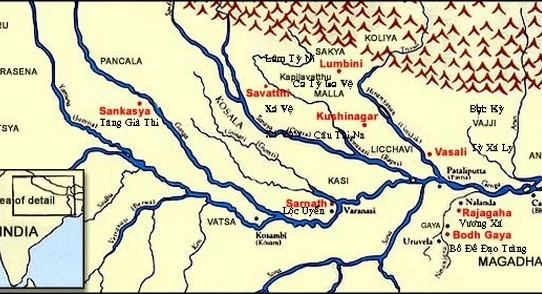
 Vương quốc Kosala
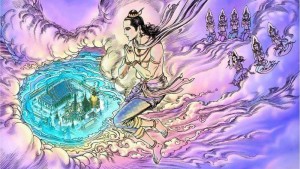 Mốc I : Hoàn cảnh trước khi Phật ra đời
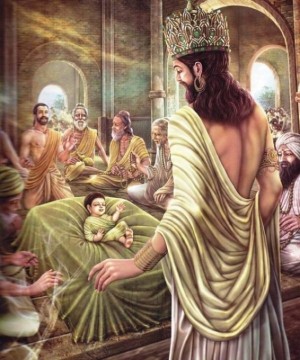 Mốc II : Sự kiện Phật đản sanh
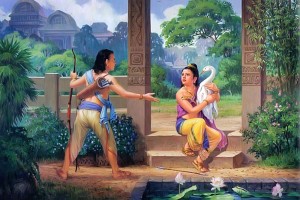 Mốc III: Giai đoạn tuổi thơ của Bồ tát Tất Đạt Đa
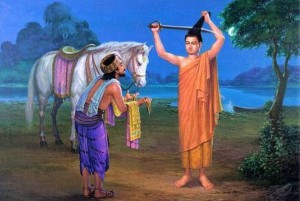 Mốc IV : Giai đoạn trưởng thành - xuất gia
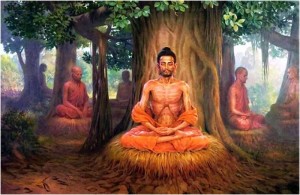 Mốc V : Tầm đạo
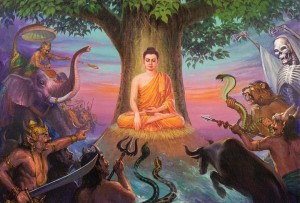 Mốc VI : Thành đạo
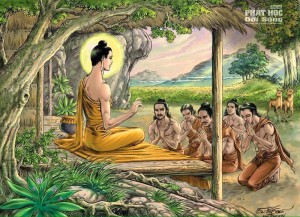 Mốc VII: Những vị đệ tử đầu tiên
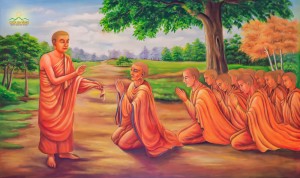 Mốc VIII : Tăng đoàn lớn mạnh
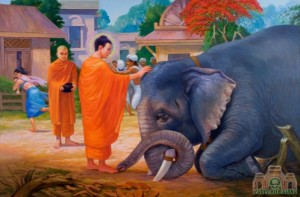 Mốc IX: Mười ba năm cuối cuộc đời Đức Phật
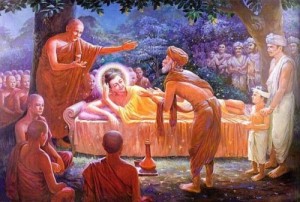 Mốc X : Đức Phật nhập niết bàn

MỤC LỤC NỘI DUNG
Mục lục nhân vật
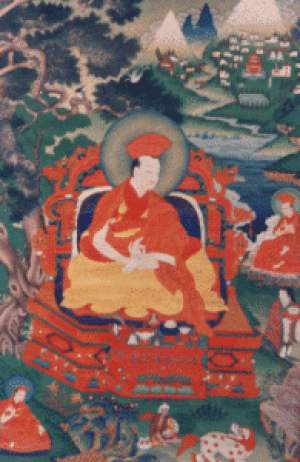
Nhân vật Phật học
PAGSAM WANGPO - GYALWANG DRUKPA V(1593-1653)
The 5th Gyalwang Drukpa, Pagsam Wangpo, was born in Chongye (in Tsang, western Tibet) into the same family as the 5th Dalai Lama. He was an extraordinary yogi, and spent many years alone in a solitary meditation retreat. During his time, the Drukpa lineage was most popular in the Himalayan range around northern India, and Pagsam Wangpo received the royal pat...
598 lượt xem
#357 mã dữ liệu
Nam giới tính 07.03.2023 ngày khởi tạo 19.10.2026 cập nhật
THÔNG TIN KHÁI QUÁT
Xem kinh liên quan ↓
Dữ liệu nhân vật
- Giới tính
- Nam
- Mã dữ liệu
- #357
- Khởi tạo
- 07/03/2023
- Cập nhật gần nhất
- 19/10/2026 15:55
- Lượt xem
- 598
- Trạng thái nội dung
- Có nội dung chính
Tóm lược
The 5th Gyalwang Drukpa, Pagsam Wangpo, was born in Chongye (in Tsang, western Tibet) into the same family as the 5th Dalai Lama. He was an extraordinary yogi, and spent many years alone in a solitary meditation retreat. During his time, the Drukpa lineage was most popular in the Himalayan range around northern India, and Pagsam Wangpo received the royal patronage of many kings in the area. He was a unique yogi as he spent most of his time in solitary retreat.
HỒ SƠ PAGSAM WANGPO - GYALWANG DRUKPA V(1593-1653)
PAGSAM WANGPO
THE 5TH GYALWANG DRUKPA (1593-1653)

The 5th Gyalwang Drukpa, Pagsam Wangpo, was born in Chongye (in Tsang, western Tibet) into the same family as the 5th Dalai Lama. He was an extraordinary yogi, and spent many years alone in a solitary meditation retreat. During his time, the Drukpa lineage was most popular in the Himalayan range around northern India, and Pagsam Wangpo received the royal patronage of many kings in the area. He was a unique yogi as he spent most of his time in solitary retreat.
Pagsam Wangpo had many disciples, the most important of whom was the yogi Taktsang Repa, who went to Ladakh at the request of the Buddhist king of that region Sengay Namgyal (1570-1642). In Ladakh, Taktsang Repa and this king founded the Hemis Monastery, which remains the principal Drukpa monastery in that area today. With the introduction of Tibetan Buddhism and the Drukpa tradition, Ladakh experienced an influence that altered its people’s lifestyle. It was this change and the interaction of such varied cultures that gave Ladakh its unique description as “Little Tibet”.
Pagsam Wangpo’s other disciples were the 1st Zigar Choktrul Rinpoche, who founded the Dzigar Monastery, and the 1st Khamtrul Rinpoche who established the Khampagar Monastery. Both monasteries were located in eastern Tibet and were renowned for their strict discipline, meditation and Tantric practices.
Pema Karpo’s other reincarnation, Shabdrung Ngawang Namgyal (1594-1651; Shabdrung in Tibetan means “at whose feet we submit”), was born into the royal Gya family. He was the 18th Abbot of Ralung, the first Drukpa monastery to be established in Tibet. Following the prophecy of Pema Karpo, Shabdrung Ngawang Namgyal left for western Bhutan, where the Drukpa School had already been established, and founded the Cheri Monastery in 1619 in Thimphu valley. In 1629, he founded his first fortress, Dzong Simtokha, near Thimphu. As the temporal and spiritual ruler of Bhutan, Shabdrung Ngawang Namgyal unified Bhutan for the first time in its history. In time, Bhutan became known in the Tibetan and Bhutanese language as “Druk Yul” or “The Country of the Dragon”, in which the dragon symbolizes the Drukpa lineage of Tibetan Buddhism.
.
Chưa có dữ liệu bản đồ cho nhân vật này.
KINH ĐIỂN Xuất hiện trong Nikaya
Xuất hiện ở nikaya khác ( tiểu bộ kinh )
TẠP A HÀM
Các bài kinh A Hàm có liên hệ với nhân vật
Báo lỗi nội dung
Chọn vấn đề bạn phát hiện. Quản trị viên sẽ nhận báo cáo kèm đúng trang hiện tại.
ĐIỀU HƯỚNG TỪ DATABASE
Mạng liên kết nội dung
Liên kết bên dưới được dựng phía server từ các quan hệ đang có trong cơ sở dữ liệu Nikaya Tâm Học.
2liên kết
Nhóm nhân vật
2 mụcMở danh sách nhân vật cùng nhóm hiện hữu.