
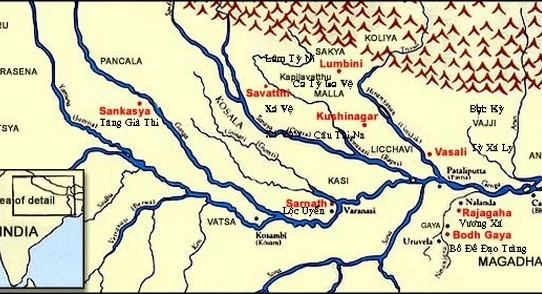
 Vương quốc Kosala
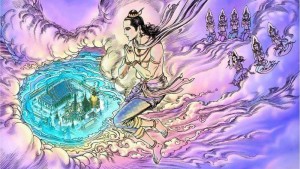 Mốc I : Hoàn cảnh trước khi Phật ra đời
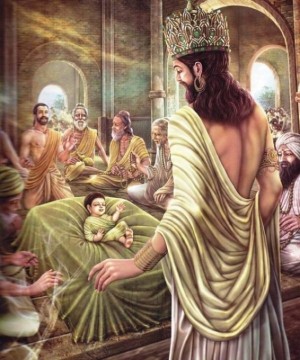 Mốc II : Sự kiện Phật đản sanh
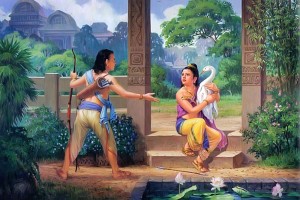 Mốc III: Giai đoạn tuổi thơ của Bồ tát Tất Đạt Đa
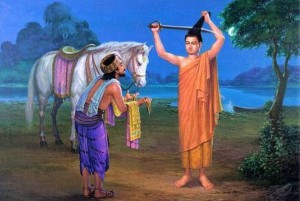 Mốc IV : Giai đoạn trưởng thành - xuất gia
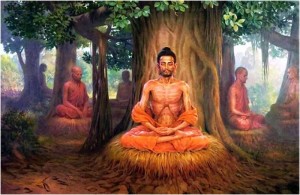 Mốc V : Tầm đạo
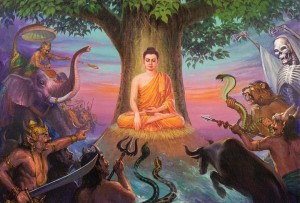 Mốc VI : Thành đạo
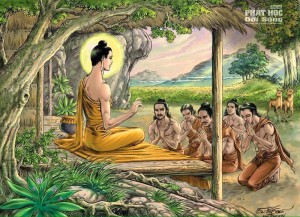 Mốc VII: Những vị đệ tử đầu tiên
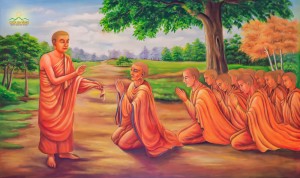 Mốc VIII : Tăng đoàn lớn mạnh
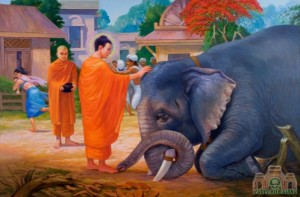 Mốc IX: Mười ba năm cuối cuộc đời Đức Phật
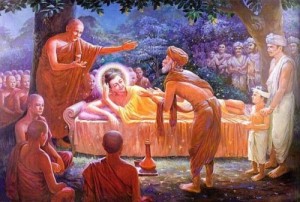 Mốc X : Đức Phật nhập niết bàn


Kinh Trung Bộ ENG 131 Kinh Nhất Dạ Hiền Giả (Bhaddekaratta sutta)
Kinh Trung Bộ ENG 131 Kinh Nhất Dạ Hiền Giả (Bhaddekaratta sutta)
Majjhima Nikāya
III. Upari Paṇṇāsa
4. Vibhaṅga Vagga
The Middle Length Sayings
III. The Final Fifty Discourses
4. The Division on Analysis
Sutta 131
Bhadd’Eka-Ratta Suttaɱ
Translated from the Pali by I.B. Horner, O.B.E., M.A.
Associate of Newham College, Cambridge
First Published in 1954
Copyright The Pali Text Society
Commercial Rights Reserved
For details see Terms of Use.
[1][chlm][nana][ntbb][than][olds][upal] THUS have I heard:
At one time the Lord was staying near Sāvatthī in the Jeta Grove in Anāthapiṇḍika’s monastery.
While he was there the Lord addressed the monks, saying:
“Monks.”
“Revered One,” these monks answered the Lord in assent.
The Lord spoke thus:
[2][nana][ntbb][than] “I will teach you, monks, the exposition and the analysis of the Auspicious.
Listen to it, pay careful attention and I will speak.”
“Yes, revered sir,” these monks answered the Lord in assent.
[3][nana][ntbb][than]The Lord spoke thus:
“The past[2] should not be followed after,[3] the future not desired.
What is past is got rid of and the future has not come.
But whoever has vision[4] now here, now there, of a present thing,[5]
Knowing that it is immovable, unshakable,[6] let him cultivate it.
Swelter at the task[7] this very day. Who knows whether he will die tomorrow?
There is no bargaining with the great hosts of Death.
Thus abiding ardently, unwearied day and night,
He indeed is ‘Auspicious’ called, described as a sage at peace.”
[4][nana][ntbb][than] And how, monks, does one follow after the past?
[234] He thinks: ‘Such was my material shape in the distant past’
and finds[8] delight therein.
He thinks: ‘Such was my feeling in the distant past’
and finds delight therein.
He thinks: ‘Such was my my perception in the distant past’
and finds delight therein.
He thinks: ‘Such were my habitual tendencies in the distant past’
and finds delight therein.
He thinks: ‘Such was my consciousness in the distant past’
and finds delight therein.
Even so, monks, does one follow after the past.
[5][nana][ntbb][than] And how, monks, does one not follow after the past?
He thinks: ‘Such was my material shape in the distant past’
but does not find delight therein.
He thinks: ‘Such was my feeling in the distant past’
but does not find delight therein.
He thinks: ‘Such was my perception in the distant past’
but does not find delight therein.
He thinks: ‘Such were my habitual tendencies in the distant past’
but does not find delight therein.
He thinks: ‘Such was my consciousness in the distant past’
but does not find delight therein.
Even so, monks, does one not follow after the past.
[6][nana][ntbb][than] And how, monks, does one desire the future?
He thinks: ‘May my material shape be thus in the distant future’
and finds delight therein.
He thinks: ‘May my feeling be thus in the distant future’
and finds delight therein.
He thinks: ‘May my perception be thus in the distant future’
and finds delight therein.
He thinks: ‘May my habitual tendencies be thus in the distant future’
and finds delight therein.
He thinks: ‘May my consciousness be thus in the distant future’
and finds delight therein.
Even so, monks, does one desire the future.
[7][nana][ntbb][than] And how, monks, does one not desire the future?
He thinks: ‘May my material shape be thus in the distant future’
but does not find delight therein.
He thinks: ‘May my feeling be thus in the distant future’
but does not find delight therein.
He thinks: ‘May my perception be thus in the distant future’
but does not find delight therein.
He thinks: ‘May my habitual tendencies be thus in the distant future’
but does not find delight therein.
He thinks: ‘May my consciousness be thus in the distant future’
but does not find delight therein.
Even so, monks, does one not desire the future.
[8][nana][ntbb][than] And how, monks, is one drawn away among present things?[9]
As to this, monks, an uninstructed ordinary person,
taking no count of the pure ones,
unskilled in the Dhamma of the pure ones,
untrained in the Dhamma of the pure ones,
taking no count of the true men,
unskilled in the Dhamma of the true men,
untrained in the Dhamma of the true men,
regards material shape as self
or self as having material shape
or material shape as in self
or self as in material shape;
or he regards feeling as self
or self as having feeling
or feeling as in self
or self as in feeling;
or he regards perception as self
or self as having perception
or perception as in self
or self as in perception;
or he regards the habitual tendencies as self
or self as having habitual tendencies
or habitual tendencies as in self
or self as in habitual tendencies;
or he regards consciousness [189] as self
or self as having consciousness
or consciousness as in self
or self as in consciousness.
Even so, monks, is one drawn away among present things.
[9][nana][ntbb][than] And how, monks, is one not drawn away among present things?
As to this, monks, an instructed disciple of the pure ones,
taking count of the pure ones,
skilled in the dhamma of the pure ones,
trained in the dhamma of the pure ones,
taking count of the true men,
skilled in the dhamma of the true men,
trained in the dhamma [235] of the true men,
does not regard material shape as self
or self as having material shape
or material shape as in self
or self as in material shape;
and he does not regard feeling as self
or self as having feeling
or feeling as in self
or self as in feeling;
and he does not regard perception as self
or self as having perception
or perception as in self
or self as in perception;
and he does not regard the habitual tendencies as self
or self as having the habitual tendencies
or the habitual tendencies as in self
or self as in the habitual tendencies;
and he does not regard consciousness as self
or self as having consciousness
or consciousness as in self
or self as in consciousness.
Even so, monks, is one not drawn away among present things.
[10][nana][ntbb][than] The past should not be followed after, the future not desired.
What is past is got rid of and the future has not come.
But whoever has vision now here, now there, of a present thing,
Knowing that it is immovable, unshakable, let him cultivate it.
Swelter at the task this very day. Who knows whether he will die tomorrow?
There is no bargaining with the great hosts of Death.
Thus abiding ardently, unwearied day and night,
He indeed is ‘Auspicious’ called, described as a sage at peace.”
[11][nana][ntbb][than] When I said:
‘I will teach you, monks,
the exposition and the analysis of the Auspicious,’
it was said in reference to this.”
Thus spoke the Lord. Delighted, these monks rejoiced in what the Lord had said.
Discourse on the Auspicious:
The First
[1] This title is hard to translate. MA. v. 1 connects the word bhaddekaratta with being endowed with intentness on vipassanā, insight gained in meditation. See Intr., p. xxvi. This is the Vagga that has 12 Discourses. If it were thought desirable to reduce them to the normal 10, this Discourse, spoken by the Lord, would rank as one, and the next three, spoken by disciples, would have to be counted together as another single Discourse.
[2] The five khandhas in the past, MA. v. 1. These verses are also at Netti. 149, Ap. p. 506.
[3] nānvāgameyya, which MA. v. 1. explains as nānugaccheyya, to follow after.
The meaning of anvāgameti appears to be to cause to come back, i.e. to recall, because of craving and wrong view.
[4] vipassati, that is, in meditation.
[5] Realising that it is impermanent and so on.
[6] By attachment and so on.
[7] ajj’eva kiccaɱ ātappaɱ; cf. Dhp. 276. This line and the next are quoted at UdA. 89, DhA. iii. 430.
[8] samanvāneti, continues to take, explained by anupavatteti, to keep moving on after, at MA. v. 3.
[9] paccuppannesu dhammesu saṅhīrati. Saṅhīrati is to be drawn into or to be caught; also to be drawn away by craving and false view from developing insight or vision. vipassanā. MA. v. 2.
Nguồn : Source link