
Nikaya Tâm HọcCon đường tuệ giác
Nikaya Tâm HọcKinh điển, nghiên cứu và các khu vực chính
Kinh sáchKinh điển, sách và tài liệu học Phật
Danh mục đầy đủ
Thời Phật Tại ThếBản đồ, Cuộc đời Đức Phật và Album ảnh
Bỏ qua menu, tới nội dung chính
DANH BẠ PHẬT HỌC · NIKAYA TÂM HỌC

Ni trưởng và thánh ni thời Phật

Tìm nhân vật theo tên, nhóm, loại và nguyên quán.

25hồ sơ trong danh sách
Giới thiệu về Ni trưởng và thánh ni thời Phật

Ni trưởng và thánh ni thời Phật

Quy ước Pāli / Hán tạng và kết quả rà soát

P✓ / H✓: có dẫn chứng kinh Pāli / tên Hán tạng được đối chiếu. P? / H?: chưa xác minh đủ nguồn, không có nghĩa là nhân vật không tồn tại trong tạng. Gợi ý từ từ điển được giữ riêng, không coi là tên đã duyệt.

Nhân vật cùng tên có thể là những người khác nhau. Hồ sơ nghi trùng, sao chép tiểu sử hoặc sai nhóm thời kỳ được ghi để soát tiếp, chưa gộp hay xóa.

Xem báo cáo tên, hồ sơ nghi trùng và phần còn thiếu ↗

Kết quả tra cứu

Hiển thị 1–25 trong 25 hồ sơ

Chú giải màu nhân vật
Phật Chánh Đẳng Giác Bích Chi Phật A-la-hán Bồ-tát Tỳ-kheo Cận sự nam/nữ Cừu nhân Chư thiên A-tu-la Ma vương Ngạ quỷ Súc sinh Khác
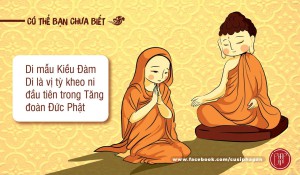
Mahāpajāpatī Gotamī — Đại Ái Đạo Cù Đàm Di A-la-hán

Bà là em ruột của hoàng hậu Ma Ha Ma Da (Mahamaya). Cả hai bà đều là em của của vua Thiện Giác (Suprabuddha – Suppabuddha) trị vì vương quốc Câu Lị. Sau khi sinh thái tử Tất Đạt Đa được bảy ngày thì hoàng hậu Ma Da băng, bà liền được vua Tịnh Phạn tuyển vào cung và đưa lên ngôi hoàng hậu, có trách nhiệm nuôi dạy thái tử (1). Bà đã thương yêu thái tử như chính con ruột của mình. Năm thái tử được mười bốn tuổi, bà sinh hoàng tử Nan Đà (Nanda) (1), và năm sau thì bà sinh công chúa Tôn Đà Lị Nan Đà (Sundari Nanda).

Giới tính: Nữ Nguyên quán: Shakya - Koliya
A-la-hán Shakya - Koliya
Cập nhật: 18/11/2026 Xem chi tiết →
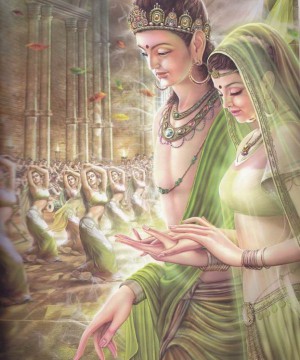
Tỳ-khưu-ni Yasodharā (Bậc đại thần thông) A-la-hán
Giới tính: Nữ Nguyên quán: Shakya - Koliya
A-la-hán Shakya - Koliya
Cập nhật: 19/11/2026 Xem chi tiết →
Sundarīnandā A-la-hán

Sundarīnandā

◉ 718
Giới tính: Nữ Nguyên quán: Shakya - Kapilavatthu
A-la-hán Shakya - Kapilavatthu
Cập nhật: 18/11/2026 Xem chi tiết →
Thích Nữ Rohinī Cận sự nam/nữ
Giới tính: Nam Nguyên quán: Shakya - Kapilavatthu
Cận sự nam/nữ Shakya - Kapilavatthu
Cập nhật: 18/11/2026 Xem chi tiết →
Bhaddā Kāpilānī A-la-hán
Giới tính: Nữ Nguyên quán: Không rõ
A-la-hán Không rõ
Cập nhật: 17/11/2026 Xem chi tiết →
Dhammadinnā — Pháp Thí A-la-hán
Giới tính: Nữ Nguyên quán: Ma Kiệt Đà
A-la-hán Ma Kiệt Đà
Cập nhật: 18/11/2026 Xem chi tiết →
Bhaddā Kuṇḍalakesā A-la-hán
Giới tính: Nữ Nguyên quán: Ma Kiệt Đà
A-la-hán Ma Kiệt Đà
Cập nhật: 18/11/2026 Xem chi tiết →
Nữ Thánh đệ tử Uttarā Cận sự nam/nữ
Giới tính: Nam Nguyên quán: Ma Kiệt Đà
Cận sự nam/nữ Ma Kiệt Đà
Cập nhật: 18/11/2026 Xem chi tiết →
Subhā Jīvakambavanikā A-la-hán
Giới tính: Nữ Nguyên quán: Ma Kiệt Đà
A-la-hán Ma Kiệt Đà
Cập nhật: 17/11/2026 Xem chi tiết →
Mẹ Của Trưởng Lão Kumārakassapa (Ca Diếp Đồng Tử)- câu chuyện tiền kiếp bầy hươu A-la-hán
Giới tính: Nam Nguyên quán: Ma Kiệt Đà
A-la-hán Ma Kiệt Đà
Cập nhật: 19/11/2026 Xem chi tiết →
Siṅgālakamātā A-la-hán
Giới tính: Nam Nguyên quán: Ma Kiệt Đà
A-la-hán Ma Kiệt Đà
Cập nhật: 18/11/2026 Xem chi tiết →
Tỳ-khưu-ni Prakirti  (Ma đăng già ) A-la-hán
Giới tính: Nữ Nguyên quán: Kosala
A-la-hán Kosala
Cập nhật: 18/11/2026 Xem chi tiết →
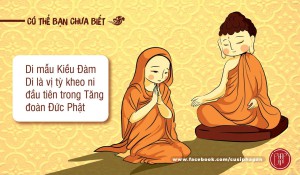
Paṭācārā A-la-hán

Paṭācārā

◉ 1,100
Giới tính: Nữ Nguyên quán: Kosala
A-la-hán Kosala
Cập nhật: 18/11/2026 Xem chi tiết →
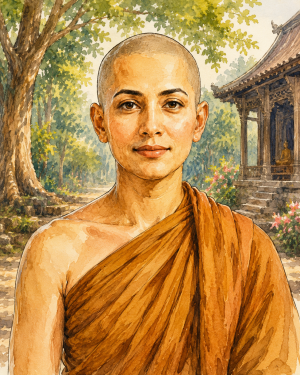
Soṇā A-la-hán

Soṇā

◉ 643
Giới tính: Nữ Nguyên quán: Kosala
A-la-hán Kosala
Cập nhật: 18/11/2026 Xem chi tiết →
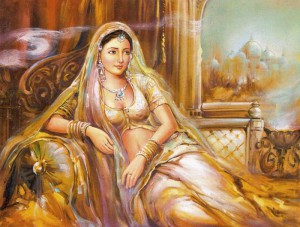
Ambapālī A-la-hán

Ambapālī

◉ 709
Giới tính: Nữ Nguyên quán: Không rõ
A-la-hán Không rõ
Cập nhật: 18/11/2026 Xem chi tiết →
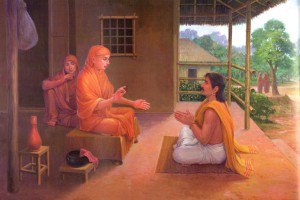
Tỳ-kheo-ni Cāpā A-la-hán
Giới tính: Nam Nguyên quán: Không rõ
A-la-hán Không rõ
Cập nhật: 18/11/2026 Xem chi tiết →
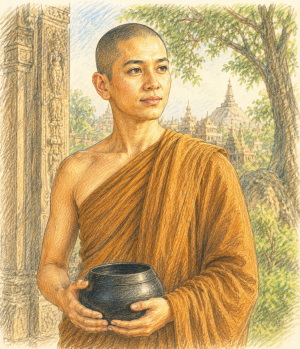
Tỳ-kheo-ni Selā · SN 5.9 A-la-hán

Selā Therī. She was born in Alavi as daughter of the king: therefore she was also called Alavikā. When she was still unmarried the Buddha visited Alavī with Alavaka, whom he had converted, carrying his begging bowl and robe. On that occasion Sela went with her father to hear the Buddha preach. She became a lay disciple, but later, agitated in mind, she joined the Order and became an arahant. After that she lived in Sāvatthi. One day, as she was enjoying her siesta in the Andhavana under a tree, Māra, in the guise of a stranger, approached her and tried to tempt her. But she refuted his statements regarding the attractions of lay life, and Māra had to retire discomfited (S.i.134; Thig.vss.57-9).

Giới tính: Nam Nguyên quán: Alavi
A-la-hán Alavi
Cập nhật: 18/11/2026 Xem chi tiết →
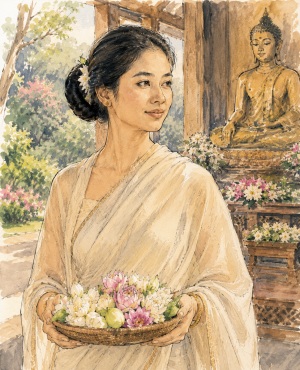
Somā A-la-hán

Somā

◉ 381

1. Somā Therī. She was the daughter of the chaplain of King Bimbisāra. When she grew up, she saw the Buddha on his first visit to Rājagaha and became a lay disciple. Later she joined the Order, developed insight, and became an arahant. One day, as she was spending her siesta at the foot of a tree in Andhavana, Māra, wishing to interrupt her privacy, approached her, invisible in the air, and teased her, remarking on the "two finger" consciousness of women. (The Commentary explains that women, when boiling rice, cannot tell if it is cooked without testing it between two fingers, hence the expression). Somā rebuked him, saying that the fact of being a woman was no obstacle to the comprehension of the Dhamma. (This incident is given also at S.i.129).

Giới tính: Nữ Nguyên quán: Ma Kiệt Đà
A-la-hán Ma Kiệt Đà
Cập nhật: 18/11/2026 Xem chi tiết →
Vijayā A-la-hán

Vijayā

◉ 333

Vijayā Therī She belonged to a household in Rājagaha and was a friend of Khemā. When Khemā left the world, Vijayā went to her, and, having listened to her teaching, joined the Order under her, attaining arahantship soon afterwards (ThigA.159f.; her Udāna verses are included in Thig.169 74.). She may be identical with the Vijayā, mentioned in the Samyutta Nikāya (S.i.130) a Bhikkhunī whom Māra, assuming the form of a young main, tried unsuccessfully to tempt.

Giới tính: Nữ Nguyên quán: Ma Kiệt Đà
A-la-hán Ma Kiệt Đà
Cập nhật: 18/11/2026 Xem chi tiết →
Cālā A-la-hán

Cālā

◉ 377

1. Cālā Therī.-Daughter of Surūpasārī and, therefore, younger sister of Sāriputta. She had two sisters, Upacālā and Sisūpacālā, and all three left the world and joined the Order on hearing of Sāriputta's renunciation. In due course they attained arahantship (ThigA.162ff; DhA.ii.188). It is said (Thig.182-8; cp. S.i.132) that one day, when Cālā was taking her siesta in the Andhavana, Māra visited her, asking her various questions and trying to tempt her. Her son was Cāla.

Giới tính: Nữ Nguyên quán: Ma Kiệt Đà
A-la-hán Ma Kiệt Đà
Cập nhật: 18/11/2026 Xem chi tiết →
Upacālā A-la-hán

Upacālā

◉ 396

1. Upacālā.-Sister of Sāriputta (his other sisters being Cālā, Sisūpacālā) and mother of Upacāla. When Sāriputta left the world to join the Order of monks, his three sisters followed his example and became nuns. It is said that when Upacālā was taking her siesta in Andhavana, Māra tried to arouse in her sensual desires, but she vanquished him and became an arahant. Her conversation with Māra is recorded in the Therīgāthā vv.189-95; ThigA.165f. The Samyutta (i.133f) mentions the temptation of all three sisters by Māra and their conquest of him. But in this account, Upacālā's verses are put into Cālā's mouth, Sisūpacālā's are ascribed to Upacālā and Cālā's to Sisūpacālā.

Giới tính: Nữ Nguyên quán: Ma Kiệt Đà
A-la-hán Ma Kiệt Đà
Cập nhật: 18/11/2026 Xem chi tiết →
Sīsūpacālā A-la-hán

Sīsūpacālā

◉ 356

One of the sisters of Sāriputta. Māra once tempted her with thoughts of the pleasures of the Kāmaloka (sensuous world), but she sent him away discomfited (Thig.vss.190-203; ThigA.168f.; S.i.133f). Her story resembles that of Cālā. She had a son of the same name as herself. ThagA.i.110.

Giới tính: Nữ Nguyên quán: Ma Kiệt Đà
A-la-hán Ma Kiệt Đà
Cập nhật: 18/11/2026 Xem chi tiết →
Tỳ-kheo-ni Vajirā A-la-hán

2. Vajirā Therī. The Samyutta Nikāya (S.i.134f) relates that one day, when she was taking her siesta in Adhavana at Sāvatthi, Mārā questioned her as to the origin of “being" (satta), its creator, its origin, its destiny. Vajirā answers that there is no such thing as “being," apart from certain conditioned factors, like a chariot, which exists only because of its parts. Māra retires discomfited. Vajirā's verses are often quoted (E.g Kvu. 240, 626; Mil. p.28; Vsm.ii.593) both in the Canon and in later works, but they are not included in the Therīgāthā, nor do we know anything else about her.

Giới tính: Nữ Nguyên quán: Kosala
A-la-hán Kosala
Cập nhật: 18/11/2026 Xem chi tiết →